Understanding Public Anxiety in 2026: A Mental Health Guide
Public anxiety represents a growing concern that affects millions of Americans as they navigate increasingly complex social, economic, and technological landscapes. This form of anxiety extends beyond personal worries to encompass fears about participating in public spaces, engaging with communities, and responding to broader societal challenges. Understanding public anxiety requires examining both individual psychological responses and the collective environmental factors that contribute to heightened stress levels across populations. As mental health professionals observe rising anxiety levels related to current events and social pressures, recognizing the symptoms and accessing appropriate support becomes essential for maintaining well-being.
Defining Public Anxiety and Its Manifestations
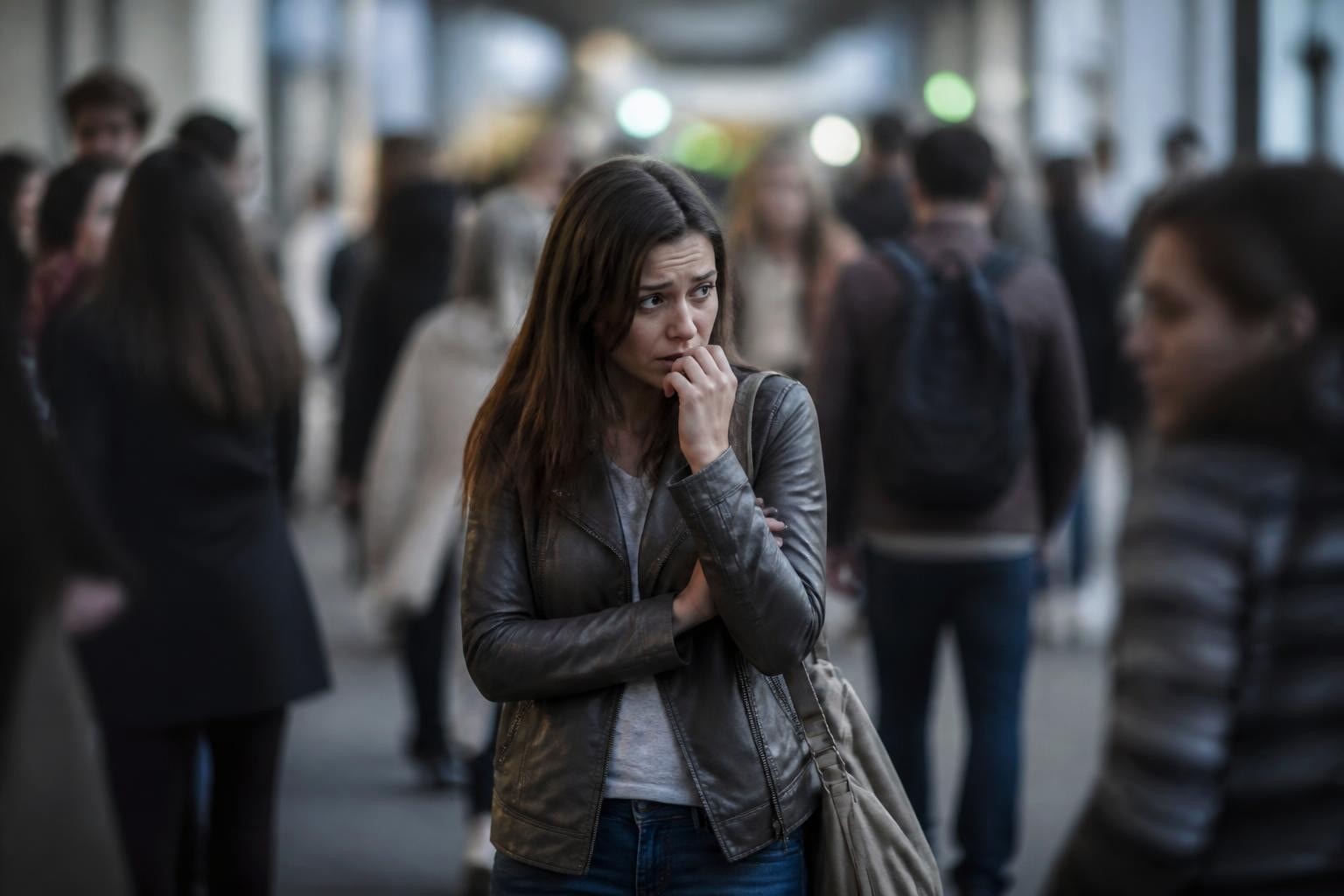
Public anxiety encompasses the overwhelming worry, fear, and apprehension individuals experience when confronting public situations, social interactions, or community engagement. This condition differs from generalized anxiety disorder in its specific focus on scenarios involving public exposure or collective participation.
The National Institute of Mental Health provides comprehensive information on anxiety disorders that helps distinguish various forms of anxiety conditions. Public anxiety may manifest as physical symptoms including rapid heartbeat, sweating, trembling, and shortness of breath when entering crowded spaces or anticipating social interactions.
Physical and Psychological Symptoms
Individuals experiencing public anxiety often report a constellation of symptoms that impact their daily functioning:
- Persistent worry about judgment or scrutiny from others
- Avoidance of public gatherings, events, or crowded locations
- Difficulty concentrating when in public settings
- Physical discomfort including nausea, dizziness, or tension
- Sleep disturbances related to anticipatory anxiety
Cognitive symptoms frequently include catastrophic thinking patterns where individuals imagine worst-case scenarios in public situations. These thought patterns reinforce avoidance behaviors and create cyclical patterns of anxiety that intensify over time.
| Symptom Category | Common Manifestations | Impact Level |
|---|---|---|
| Physical | Rapid heartbeat, sweating, trembling | High |
| Cognitive | Catastrophic thinking, excessive worry | High |
| Behavioral | Avoidance, withdrawal, isolation | Severe |
| Emotional | Fear, panic, overwhelm | High |
The intersection between individual predisposition and environmental triggers creates unique presentations of public anxiety across different populations and cultural contexts.

Contributing Factors to Rising Public Anxiety
Multiple societal, technological, and economic factors contribute to the prevalence of public anxiety in contemporary society. According to the American Psychiatric Association’s 2026 Annual Mental Health Poll, Americans report elevated anxiety levels related to current events, personal finances, and emerging technology.
Social and Economic Pressures
Economic uncertainty, employment instability, and financial concerns create persistent background stress that amplifies public anxiety. When individuals face financial precarity, their capacity to manage social situations and public engagements diminishes significantly.
Social media platforms paradoxically increase connectivity while intensifying feelings of inadequacy and social comparison. The constant exposure to curated representations of others' lives fosters unrealistic expectations and heightens self-consciousness in public settings.
Cultural and Generational Influences
Different generations experience public anxiety through distinct lenses shaped by their formative experiences and technological immersion:
- Generation Z encounters unprecedented digital surveillance and performance pressure
- Millennials navigate economic instability combined with social expectations
- Generation X balances caregiving responsibilities with workplace demands
- Baby Boomers confront retirement concerns and changing social norms
The Substance Abuse and Mental Health Services Administration offers detailed information about how various demographic factors influence anxiety presentation and treatment needs.
Environmental and Situational Triggers
Specific environments and situations commonly trigger public anxiety episodes. Urban density, noise levels, and crowding create sensory overload that overwhelms coping mechanisms. Transportation systems, shopping centers, and entertainment venues present particular challenges for individuals managing public anxiety.
Recent global health concerns have fundamentally altered how people perceive public spaces and social proximity. This shift has introduced new dimensions to public anxiety centered on health safety and contamination fears.
The Impact of Public Anxiety on Daily Functioning
Public anxiety significantly disrupts occupational performance, social relationships, and overall quality of life. When individuals consistently avoid public situations, they experience narrowing life experiences and reduced opportunities for personal growth and professional advancement.
Professional and Educational Consequences
Workplace environments require regular public interaction through meetings, presentations, and collaborative projects. Professionals experiencing public anxiety may:
- Decline promotion opportunities requiring public speaking
- Avoid networking events essential for career development
- Experience reduced productivity due to anticipatory worry
- Face challenges in team-based work environments
Educational settings present similar obstacles where classroom participation, group projects, and public presentations become sources of intense distress rather than learning opportunities.

Social and Relational Effects
Relationships suffer when public anxiety limits participation in social gatherings, family events, and community activities. Partners and family members may feel frustrated or confused by avoidance behaviors, leading to interpersonal tension and misunderstanding.
| Relationship Type | Common Challenges | Potential Solutions |
|---|---|---|
| Romantic partnerships | Event attendance conflicts | Open communication strategies |
| Family connections | Holiday gathering avoidance | Gradual exposure planning |
| Friendships | Social invitation decline | Alternative meeting formats |
| Professional networks | Networking event absence | Small group alternatives |
The cumulative effect of these relationship strains often reinforces isolation and deepens anxiety symptoms, creating a self-perpetuating cycle that requires professional intervention to break.
Evidence-Based Treatment Approaches
Effective management of public anxiety combines therapeutic interventions, skill development, and sometimes medication support. The American Medical Association provides insights into managing anxiety disorders with recommendations from psychiatric professionals.
Cognitive Behavioral Therapy
Cognitive Behavioral Therapy (CBT) represents the gold standard treatment for public anxiety. This structured approach helps individuals identify distorted thinking patterns and develop healthier cognitive responses to anxiety-provoking situations.
Exposure therapy, a component of CBT, gradually introduces individuals to feared situations in controlled, supportive environments. This systematic desensitization process builds confidence and demonstrates that anticipated catastrophic outcomes rarely materialize.
Mindfulness and Acceptance-Based Interventions
Mindfulness-based stress reduction teaches individuals to observe anxious thoughts and physical sensations without judgment or reactivity. This approach cultivates present-moment awareness that counteracts the future-focused worry characteristic of public anxiety.
Acceptance and Commitment Therapy (ACT) encourages individuals to accept anxiety as a normal human experience rather than something requiring elimination. This perspective shift reduces the secondary anxiety about experiencing anxiety itself.
Medication Management
For individuals experiencing severe public anxiety that significantly impairs functioning, medication may provide essential support alongside therapy:
- Selective serotonin reuptake inhibitors (SSRIs) for long-term symptom management
- Beta-blockers for situational performance anxiety
- Benzodiazepines for acute anxiety episodes (short-term use only)
- Buspirone as a non-addictive anxiolytic option
Healthcare providers carefully evaluate individual circumstances, symptom severity, and treatment history when recommending medication interventions. You can explore various professional insights and client experiences to understand treatment approaches better.
Practical Coping Strategies for Public Anxiety
Beyond formal treatment, individuals can implement practical strategies that reduce public anxiety symptoms and improve functioning in challenging situations.
Preparation and Planning Techniques
Advance preparation significantly reduces anticipatory anxiety by creating a sense of control and predictability. Research locations beforehand, identify exit routes, and plan arrival times that avoid peak crowding.
Creating scripts or conversation starters provides cognitive scaffolding that reduces uncertainty in social interactions. While spontaneity may feel compromised initially, these tools build confidence that eventually supports more natural engagement.
Physiological Regulation Methods
Breathing exercises offer immediate anxiety reduction through activation of the parasympathetic nervous system:
- Box breathing: Inhale for four counts, hold for four, exhale for four, hold for four
- Diaphragmatic breathing: Deep belly breaths that fully engage the diaphragm
- 4-7-8 technique: Inhale for four counts, hold for seven, exhale for eight
Progressive muscle relaxation systematically tenses and releases muscle groups, reducing the physical tension that accompanies public anxiety. Regular practice of these techniques outside anxiety-provoking situations builds proficiency for when they're most needed.
Social Support Systems
Building reliable support networks provides essential buffering against public anxiety. Trusted companions can accompany individuals to challenging situations, offering reassurance and practical assistance when anxiety intensifies.
Support groups connect individuals experiencing similar challenges, reducing isolation and providing opportunities to learn from others' experiences. Many communities now offer both in-person and virtual support group options that accommodate varying comfort levels.
The Role of Lifestyle Factors in Managing Public Anxiety
Foundational health practices significantly influence anxiety severity and recovery trajectories. Sleep quality, nutrition, physical activity, and substance use patterns all interact with anxiety symptoms in meaningful ways.
Sleep and Anxiety Interconnection
Sleep deprivation amplifies anxiety sensitivity while anxiety frequently disrupts sleep, creating a bidirectional relationship that requires simultaneous attention. Establishing consistent sleep schedules, limiting screen exposure before bed, and creating calming bedtime routines support both sleep quality and anxiety management.
Research consistently demonstrates that individuals who maintain regular sleep patterns report lower anxiety levels and improved stress resilience compared to those with irregular sleep habits.
Physical Activity Benefits
Regular exercise provides multiple anxiety-reducing mechanisms including neurotransmitter regulation, stress hormone reduction, and improved self-efficacy. Both aerobic exercise and strength training demonstrate effectiveness, with consistency mattering more than intensity for anxiety management.
Outdoor activities offer additional benefits through nature exposure, which research associates with reduced rumination and improved mood regulation. Walking, hiking, and cycling combine physical activity with environmental benefits that specifically target public anxiety symptoms.
Nutritional Considerations
Dietary patterns influence anxiety through multiple pathways including blood sugar regulation, gut-brain axis communication, and inflammatory processes:
- Limit caffeine and alcohol consumption
- Maintain stable blood sugar through regular, balanced meals
- Include omega-3 fatty acids from fish or supplementation
- Prioritize whole foods over processed options
- Stay adequately hydrated throughout the day
Professional guidance helps individuals identify specific nutritional factors that influence their anxiety presentation and develop sustainable dietary modifications.

Cultural Competency in Addressing Public Anxiety
Public anxiety manifests differently across cultural contexts, requiring culturally informed assessment and treatment approaches. Cultural values regarding emotional expression, help-seeking behaviors, and public interaction norms significantly influence how individuals experience and report anxiety symptoms.
Cultural Expression Variations
Some cultures emphasize somatic expression of psychological distress, where anxiety manifests primarily through physical symptoms rather than emotional complaints. Recognizing these variations prevents misdiagnosis and ensures appropriate intervention selection.
Collectivist cultures may experience public anxiety through concerns about bringing shame or dishonor to family or community rather than individual-focused worries. Treatment approaches must acknowledge and respect these cultural frameworks while providing effective symptom relief.
Language and Communication Barriers
Language differences complicate accurate anxiety assessment and treatment delivery. Bilingual mental health services and culturally matched providers improve treatment engagement and outcomes for diverse populations experiencing public anxiety.
Understanding cultural idioms of distress helps professionals recognize anxiety presentations that may not align with Western diagnostic criteria but represent significant suffering requiring intervention.
Prevention and Early Intervention Strategies
Preventing public anxiety escalation requires early recognition of emerging symptoms and prompt intervention before avoidance patterns become entrenched. Screening initiatives in primary care settings identify at-risk individuals before symptoms severely impair functioning.
The U.S. Preventive Services Task Force recommends screening for anxiety disorders in adults, emphasizing early detection's importance in managing anxiety conditions effectively.
School-Based and Youth Programs
Educational institutions provide ideal settings for anxiety prevention programming that teaches coping skills, emotional regulation, and help-seeking behaviors before problematic patterns develop. Universal prevention programs benefit all students while targeted interventions support those showing early anxiety indicators.
Peer support programs reduce stigma while creating cultures where discussing mental health concerns feels normative rather than exceptional. These initiatives particularly benefit adolescents and young adults establishing lifelong mental health habits.
Workplace Wellness Initiatives
Forward-thinking organizations implement comprehensive wellness programs addressing mental health alongside physical health concerns. Stress management workshops, mindfulness programs, and accessible counseling services demonstrate organizational commitment to employee well-being.
Creating psychologically safe work environments where employees feel comfortable discussing mental health needs without fear of professional consequences encourages early help-seeking and prevents anxiety escalation. Additional resources and testimonials provide insights into successful intervention approaches.
Technological Innovations in Anxiety Treatment
Emerging technologies expand access to anxiety treatment while offering novel intervention modalities. Digital therapeutics, virtual reality exposure therapy, and artificial intelligence applications represent promising frontiers in public anxiety management.
Teletherapy platforms have democratized mental health access, particularly benefiting individuals whose public anxiety limits their ability to attend in-person appointments. These services reduce barriers related to transportation, scheduling, and geographical limitations.
Mobile applications provide on-demand access to anxiety management tools including guided meditations, breathing exercises, and cognitive restructuring techniques. While apps cannot replace professional treatment for severe anxiety, they supplement formal interventions and support skill practice between therapy sessions.
Virtual reality technology enables controlled exposure therapy experiences that precisely calibrate anxiety-provoking scenarios while maintaining safety and therapist oversight. Early research suggests virtual reality therapy shows promise for treating various anxiety conditions including public anxiety presentations.
When to Seek Professional Support
Recognizing when self-management strategies prove insufficient and professional intervention becomes necessary protects individuals from prolonged suffering and functional impairment. Several indicators suggest the need for professional mental health support.
Persistent anxiety lasting several months despite self-help efforts warrants professional evaluation. When public anxiety interferes with occupational performance, educational achievement, or relationship maintenance, therapeutic intervention becomes essential rather than optional.
Safety concerns including thoughts of self-harm, substance abuse as coping mechanisms, or complete social withdrawal require immediate professional attention. These presentations indicate anxiety severity exceeding what self-management can address safely.
Understanding and managing public anxiety requires comprehensive approaches that address biological, psychological, and social factors contributing to symptoms. Whether you're experiencing occasional anxiety in public settings or facing severe impairment that limits your daily activities, evidence-based treatment combined with practical coping strategies offers pathways toward meaningful improvement and enhanced quality of life. Henry Montero brings over 15 years of expertise in mental health counseling, forensic psychology, and addiction recovery to help individuals develop personalized strategies for managing anxiety and reclaiming their lives. With culturally informed care and proven therapeutic approaches, professional support can transform your relationship with public anxiety and restore your confidence in navigating the world around you.