

Understanding Mental Unwellness: A Professional Guide
Mental unwellness represents a significant public health challenge that affects individuals across all demographics, cultures, and socioeconomic backgrounds. Unlike mental wellness, which encompasses emotional balance, psychological resilience, and the ability to navigate life's challenges, mental unwellness describes a state where these capacities become compromised. This condition manifests through various symptoms, including persistent emotional distress, impaired cognitive function, disrupted behavioral patterns, and diminished quality of life. According to the World Health Organization’s comprehensive overview, mental health conditions impact hundreds of millions of people worldwide, making it essential to understand the nature, causes, and pathways toward recovery from mental unwellness.
Defining Mental Unwellness in Contemporary Context
Mental unwellness differs from diagnosable mental illness in important ways. While mental illness refers to specific conditions meeting clinical diagnostic criteria, mental unwellness encompasses a broader spectrum of psychological distress and dysfunction. This includes subclinical symptoms, transient periods of emotional difficulty, and the early stages of more serious conditions.
The distinction matters because many individuals experience mental unwellness without meeting full diagnostic thresholds for conditions like major depressive disorder or generalized anxiety disorder. These individuals still suffer significantly and require appropriate support and intervention.
The Spectrum Approach to Understanding Mental Unwellness
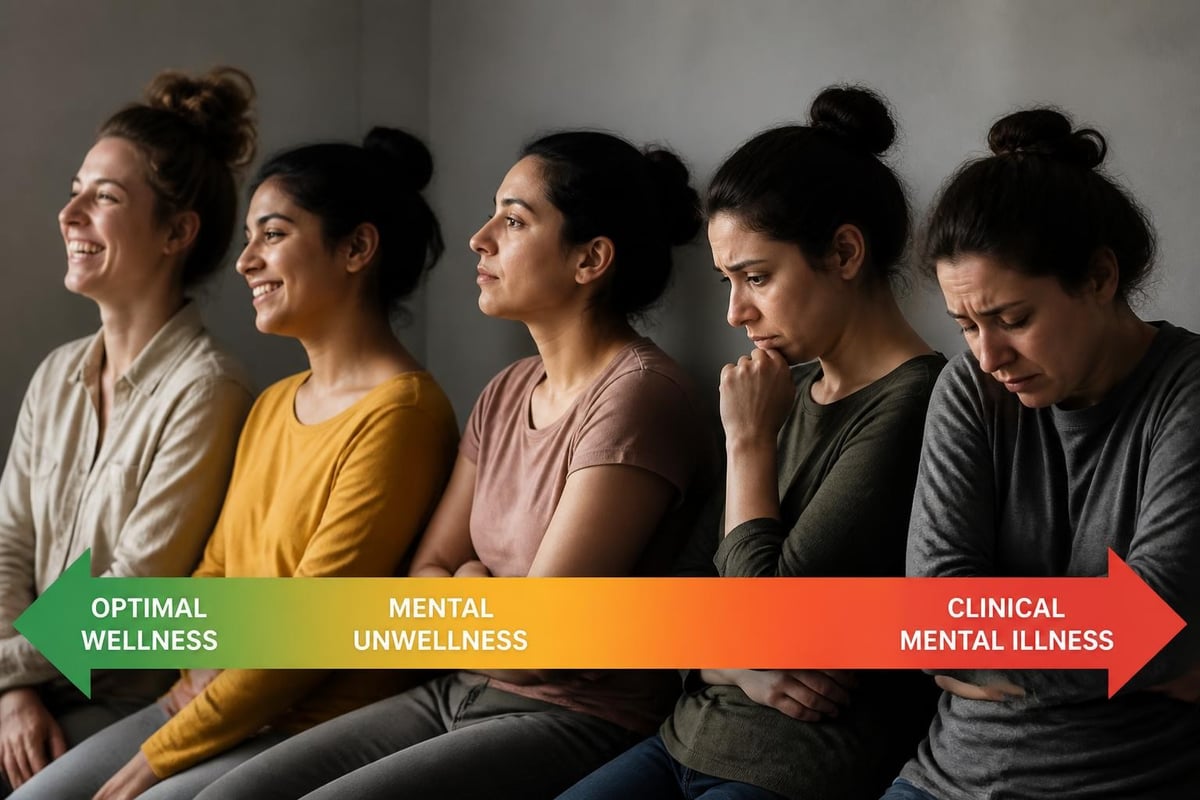
Mental health exists on a continuum, with optimal wellness at one end and severe mental illness at the other. Mental unwellness occupies the middle territory, where functioning becomes impaired but may not yet constitute a diagnosable disorder.
Key characteristics of mental unwellness include:
- Persistent negative mood states lasting weeks or months
- Difficulty concentrating or making decisions
- Changes in sleep patterns or appetite
- Social withdrawal or relationship difficulties
- Reduced productivity at work or school
- Physical symptoms without clear medical cause
This spectrum perspective helps reduce stigma by normalizing the reality that mental health fluctuates throughout life. Everyone experiences periods of mental unwellness, just as everyone occasionally experiences physical illness.
Recognizing Early Warning Signs
Early identification of mental unwellness enables timely intervention before symptoms escalate into more severe conditions. Family members, friends, colleagues, and healthcare providers all play crucial roles in recognizing these warning signs.
Emotional and Behavioral Indicators
Mental unwellness frequently manifests through observable changes in emotional expression and behavior. A person who previously enjoyed social activities may begin isolating themselves. Someone known for emotional stability might display increased irritability, tearfulness, or emotional volatility.
Behavioral changes often include:
- Neglecting personal hygiene or appearance
- Missing work or school without explanation
- Increased substance use as a coping mechanism
- Reckless or impulsive decision-making
- Expressing feelings of hopelessness or worthlessness
Cognitive and Physical Manifestations
The cognitive dimension of mental unwellness affects thinking patterns, concentration, and decision-making abilities. Individuals may report persistent negative thoughts, difficulty focusing on tasks, or racing thoughts that interfere with sleep.
Physical symptoms accompanying mental unwellness frequently perplex both sufferers and healthcare providers. These psychosomatic manifestations include chronic pain, digestive issues, headaches, and fatigue that resist conventional medical treatment. Understanding these warning signs represents a critical first step toward seeking appropriate help.
Contributing Factors and Root Causes
Mental unwellness rarely emerges from a single cause. Instead, multiple biological, psychological, and social factors interact to compromise mental health. Understanding these contributors helps individuals and clinicians develop comprehensive treatment approaches.
Biological and Neurological Factors
Genetic predisposition plays a significant role in vulnerability to mental unwellness. Individuals with family histories of depression, anxiety, or other mental health conditions face elevated risk. Neurochemical imbalances, particularly involving serotonin, dopamine, and norepinephrine, contribute to mood dysregulation.
Chronic medical conditions, hormonal changes, and certain medications can trigger or exacerbate mental unwellness. Thyroid disorders, chronic pain conditions, and inflammatory diseases all correlate with increased rates of psychological distress.
| Biological Factor | Impact on Mental Unwellness | Common Symptoms |
|---|---|---|
| Genetic predisposition | Increases vulnerability 2-3x | Varies by condition |
| Neurochemical imbalance | Affects mood regulation | Depression, anxiety |
| Chronic illness | Creates ongoing stress | Fatigue, hopelessness |
| Hormonal changes | Disrupts emotional stability | Mood swings, irritability |
Psychological and Developmental Influences
Adverse childhood experiences, including trauma, neglect, or abuse, establish patterns that increase susceptibility to mental unwellness in adulthood. Unresolved grief, chronic stress, and maladaptive coping mechanisms further compound vulnerability.
Cognitive patterns such as catastrophic thinking, rumination, and negative self-talk perpetuate mental unwellness. These thought patterns become self-reinforcing cycles that require deliberate intervention to interrupt.
Social and Environmental Determinants
Social isolation, financial insecurity, discrimination, and lack of community support significantly impact mental health. The statistics on mental illness prevalence demonstrate clear correlations between socioeconomic factors and mental unwellness rates.
Environmental stressors including workplace toxicity, relationship conflict, and community violence create chronic activation of stress response systems. Over time, this constant activation depletes psychological resources and increases vulnerability to mental unwellness.

Evidence-Based Approaches to Treatment
Addressing mental unwellness requires comprehensive, individualized treatment strategies that target biological, psychological, and social dimensions. No single intervention works universally, making personalized treatment planning essential.
Psychotherapeutic Interventions
Talk therapy remains foundational in treating mental unwellness. Various therapeutic modalities offer distinct advantages depending on individual needs, symptoms, and preferences.
Cognitive Behavioral Therapy (CBT) addresses the thought patterns and behaviors that maintain mental unwellness. Through structured sessions, individuals learn to identify negative automatic thoughts, challenge cognitive distortions, and develop healthier behavioral patterns.
Dialectical Behavior Therapy (DBT) proves particularly effective for individuals struggling with emotional regulation and interpersonal effectiveness. This approach combines mindfulness practices with skills training in distress tolerance and emotion regulation.
Psychodynamic therapy explores how unconscious patterns rooted in early experiences contribute to current mental unwellness. This insight-oriented approach helps individuals understand and resolve underlying psychological conflicts.
The research on psychosocial interventions demonstrates substantial evidence supporting these therapeutic approaches across diverse populations and settings.
Holistic and Integrative Strategies
Effective treatment of mental unwellness extends beyond traditional therapy to encompass lifestyle modifications, community engagement, and self-care practices.
- Regular physical exercise reduces symptoms of depression and anxiety through neurochemical changes and improved self-efficacy
- Sleep hygiene optimization addresses the bidirectional relationship between sleep disturbance and mental unwellness
- Nutritional interventions support brain health through adequate omega-3 fatty acids, B vitamins, and mineral intake
- Mindfulness and meditation practices strengthen emotional regulation and reduce rumination
- Social connection cultivation provides essential support and reduces isolation
Medication and Biological Treatments
For some individuals experiencing mental unwellness, pharmacological interventions provide necessary symptom relief. Antidepressants, anti-anxiety medications, and mood stabilizers can restore neurochemical balance and improve functioning.
The decision to incorporate medication should involve thorough discussion between patient and provider, weighing potential benefits against side effects and individual preferences. Medication works most effectively when combined with psychotherapy and lifestyle interventions.
Cultural Considerations in Mental Unwellness
Culture profoundly shapes how individuals experience, express, and seek help for mental unwellness. Cultural beliefs about mental health, family dynamics, and help-seeking behavior vary significantly across communities.
Breaking Down Cultural Stigma
In many Latino, Asian, and African American communities, mental unwellness carries significant stigma. Cultural values emphasizing family privacy, personal strength, and self-reliance can deter individuals from seeking professional help. Faith communities may interpret mental unwellness through spiritual frameworks that don't align with clinical models.
Culturally competent care requires providers to understand these perspectives without judgment while gently expanding understanding of mental health. At Henry Montero’s practice, this cultural bridge-building represents a core commitment, particularly in serving diverse communities across the United States and Latin America.
Language and Expression Variations
The language used to describe mental unwellness varies across cultures. Some cultures emphasize somatic symptoms over emotional distress. Others may lack direct translations for Western psychological concepts like "depression" or "anxiety."
Effective treatment requires providers to adapt their communication style, assessment methods, and intervention strategies to align with clients' cultural frameworks. This cultural humility enhances therapeutic alliance and treatment outcomes.
Prevention and Early Intervention Strategies
Preventing mental unwellness requires proactive approaches at individual, family, and community levels. While not all mental health challenges can be prevented, reducing risk factors and strengthening protective factors significantly decreases incidence and severity.
Building Individual Resilience
Resilience represents the capacity to adapt successfully to stress, adversity, and trauma. Strengthening resilience provides protection against mental unwellness.
| Resilience Factor | Practical Application | Expected Benefit |
|---|---|---|
| Self-awareness | Regular reflection and journaling | Better emotion recognition |
| Problem-solving skills | Breaking challenges into steps | Reduced overwhelm |
| Healthy relationships | Investing in meaningful connections | Social support buffer |
| Sense of purpose | Engaging in meaningful activities | Increased motivation |
| Optimistic outlook | Reframing setbacks as learning | Greater persistence |
Family and Community Support Systems
Strong family relationships and community connections buffer against mental unwellness. Families can promote mental health by maintaining open communication, modeling healthy coping strategies, and seeking help early when concerns arise.
Communities that prioritize mental health awareness, reduce stigma, and ensure accessible services create environments where mental unwellness receives prompt attention. Schools, workplaces, and faith communities all play essential roles in this prevention ecosystem.

The Role of Technology in Addressing Mental Unwellness
Technological innovations are transforming how mental unwellness is detected, monitored, and treated. Digital mental health tools expand access while raising important questions about privacy, effectiveness, and the human element in care.
Digital Therapeutic Platforms
Mental health apps, online therapy platforms, and digital cognitive behavioral therapy programs provide convenient, affordable access to evidence-based interventions. These tools particularly benefit individuals facing barriers to traditional in-person care, including geographic isolation, mobility limitations, or scheduling constraints.
However, the quality and effectiveness of digital mental health tools vary considerably. Consumers should seek platforms backed by research evidence and, ideally, overseen by licensed mental health professionals.
Artificial Intelligence and Early Detection
Emerging research on mental health analysis using artificial intelligence demonstrates potential for early detection of mental unwellness through analysis of communication patterns, social media activity, and other digital footprints. While promising, these technologies raise ethical concerns about privacy, consent, and potential misuse.
The integration of technology with human clinical judgment, rather than replacement of professional care, represents the most promising path forward. Digital tools should enhance, not substitute for, the therapeutic relationship.
Workplace Mental Unwellness and Organizational Responsibility
The workplace significantly influences mental health, serving as either a source of stress contributing to mental unwellness or a supportive environment promoting psychological well-being. Organizations bear responsibility for creating cultures that prioritize employee mental health.
Recognizing Occupational Contributors
Job-related factors contributing to mental unwellness include excessive workload, lack of control over work processes, unclear expectations, toxic work relationships, and poor work-life balance. Certain occupations, including healthcare, social services, and emergency response, carry elevated risk due to chronic exposure to traumatic material and human suffering.
Organizational strategies to reduce workplace mental unwellness:
- Implementing reasonable workload expectations and adequate staffing
- Providing clear role definitions and performance feedback
- Fostering respectful, collaborative work cultures
- Offering flexible work arrangements when feasible
- Training managers to recognize and respond to mental health concerns
- Ensuring confidential access to mental health resources
Supporting Employee Recovery
When employees experience mental unwellness, supportive organizational responses facilitate recovery and retention of valuable talent. Accommodations might include temporary schedule modifications, workload adjustments, or leave for intensive treatment.
Creating psychologically safe environments where employees feel comfortable disclosing mental health struggles without fear of discrimination requires ongoing cultural work, leadership commitment, and policy enforcement.
Moving Forward with Hope and Action
Mental unwellness, while challenging, responds to appropriate intervention and support. The combination of evidence-based treatment, social support, lifestyle modifications, and cultural understanding creates pathways toward recovery and renewed wellness.
Seeking help represents strength, not weakness. Professional mental health counseling provides expert guidance through the complexities of mental unwellness, offering strategies tailored to individual circumstances, cultural backgrounds, and personal goals.
The journey from mental unwellness to recovery rarely follows a straight line. Setbacks occur, and progress sometimes feels frustratingly slow. Persistence, patience, and compassionate self-awareness support continued movement toward improved mental health.
As awareness grows and stigma diminishes, more individuals recognize mental unwellness early and seek timely intervention. This cultural shift toward openness about mental health challenges represents genuine progress that benefits individuals, families, and entire communities.
Education about mental unwellness empowers individuals to recognize symptoms in themselves and loved ones, understand available resources, and advocate for necessary support. Knowledge transforms fear and confusion into informed action and hope.
Understanding mental unwellness and its multifaceted nature enables more effective prevention, early intervention, and treatment. Whether you're experiencing mental unwellness yourself or supporting someone who is, professional guidance can make a significant difference. With over 15 years of experience bridging clinical expertise, cultural understanding, and evidence-based practice across diverse communities, Henry Montero provides compassionate, culturally informed mental health counseling tailored to your unique needs and circumstances. Take the first step toward renewed wellness by reaching out today.