
Mental Health and Advocacy: A Guide for 2026
Mental health and advocacy have become inseparable forces in transforming how we approach psychological wellness, treatment access, and systemic healthcare reform. As we navigate 2026, the landscape of mental health care demands more than clinical expertise alone. It requires dedicated advocates who can bridge the gap between individual treatment and broader policy changes, creating pathways for underserved populations and challenging outdated systems. The convergence of clinical practice, community engagement, and legislative influence represents the future of comprehensive mental health support that addresses both immediate needs and long-term structural challenges.
Understanding the Core Components of Mental Health Advocacy
Mental health and advocacy work encompasses multiple dimensions that extend far beyond traditional clinical settings. Effective advocacy requires a deep understanding of healthcare systems, policy frameworks, and the lived experiences of individuals navigating mental health challenges.
The Foundation of Advocacy-Informed Practice
Mental health professionals who integrate advocacy into their practice recognize that individual healing occurs within broader social contexts. Mental Health America’s advocacy framework emphasizes the importance of addressing systemic barriers while providing direct care. This dual approach acknowledges that a client's recovery journey is influenced by factors including insurance access, workplace accommodations, housing stability, and community support systems.
Clinical expertise becomes exponentially more effective when practitioners understand the policy landscape affecting their clients. Consider these critical advocacy areas:
- Insurance parity enforcement and mental health coverage equity
- Crisis intervention alternatives to law enforcement response
- School-based mental health services and early intervention programs
- Workforce development and training for culturally competent care
- Peer support integration within traditional treatment models
The relationship between advocacy and clinical outcomes demonstrates measurable impact. Research on mental health help-seeking behaviors among young adults reveals how systemic factors influence whether individuals pursue treatment. When advocacy efforts reduce stigma, increase service accessibility, and create welcoming environments, treatment engagement naturally improves.

Building Effective Advocacy Strategies in Clinical Settings
Advocacy within mental health counseling requires intentional strategies that balance immediate client needs with broader systemic change efforts. Practitioners serving diverse populations, particularly across cultural and geographic boundaries, must develop multilayered advocacy approaches.
Individual-Level Advocacy Techniques
Direct client advocacy forms the foundation of mental health and advocacy integration. This includes navigating insurance denials, coordinating care across multiple providers, and ensuring clients understand their rights within treatment systems. The National Resource Center on Psychiatric Advance Directives provides valuable tools for empowering clients to document their treatment preferences, creating safeguards during crisis periods.
Effective individual advocacy involves:
- Educating clients about available resources and entitlements
- Supporting self-advocacy skill development and empowerment
- Coordinating with case managers, legal advocates, and social services
- Challenging discriminatory practices within healthcare systems
- Documenting systemic barriers for broader advocacy efforts
These individual interventions create ripple effects beyond single cases. When practitioners systematically document access barriers, insurance denials, or service gaps, they build evidence supporting larger policy reform initiatives.
Community and Systems-Level Advocacy
Mental health and advocacy extend into community education, coalition building, and institutional partnerships. Practitioners with forensic psychology backgrounds bring unique perspectives to systems-level change, understanding how mental health intersects with criminal justice, child welfare, and substance abuse treatment systems.
| Advocacy Level | Focus Areas | Measurable Outcomes |
|---|---|---|
| Individual | Rights protection, resource navigation, treatment access | Client satisfaction, treatment adherence, recovery milestones |
| Community | Education programs, stigma reduction, resource development | Community awareness, service utilization rates, early intervention |
| Systems | Policy reform, institutional change, workforce training | Legislative changes, funding allocations, service availability |
| Cultural | Culturally adapted services, language access, community trust | Engagement rates, cultural competence metrics, health equity |
The intersection of clinical practice and public health advocacy creates opportunities for sustainable change. Professionals who maintain active practices while engaging in speaking, writing, and organizational leadership multiply their impact across these levels simultaneously.
Cross-Cultural Dimensions of Mental Health Advocacy
Mental health and advocacy take on unique dimensions when bridging different cultural contexts, particularly between the United States and Latin America. Cultural competence in advocacy requires understanding how mental health stigma, family systems, religious beliefs, and healthcare access vary across communities.
Addressing Cultural Barriers to Mental Health Care
Advocacy efforts must acknowledge that mental health concepts, help-seeking behaviors, and treatment preferences differ significantly across cultures. Traditional Latino communities may emphasize family-centered approaches, incorporate spiritual elements into healing, and face unique barriers related to immigration status, language access, and cultural mistrust of formal systems.
Effective cross-cultural advocacy strategies include:
- Developing bilingual and culturally adapted educational materials
- Training bicultural peer support specialists and community health workers
- Partnering with faith-based organizations and community leaders
- Addressing immigration-related trauma and legal concerns
- Creating welcoming environments that honor cultural values
The National Mental Health Consumers’ Self-Help Clearinghouse emphasizes peer-run approaches that can be adapted across cultural contexts. When individuals with lived experience lead advocacy efforts within their own communities, they bring authenticity and trust that professional credentials alone cannot achieve.

Language Access and Health Equity
Language barriers represent one of the most significant obstacles to mental health care access. Advocacy for comprehensive language services extends beyond basic interpretation to include culturally nuanced communication, written materials in preferred languages, and providers who understand cultural context.
Mental health and advocacy professionals working across linguistic boundaries must address several critical needs. These include advocating for qualified medical interpreters rather than relying on family members, developing Spanish-language crisis resources, and training bilingual clinicians who can provide culturally resonant care. Organizations serving diverse populations should prioritize hiring staff reflecting community demographics and cultural backgrounds.
Forensic Psychology and Specialized Advocacy Approaches
Mental health and advocacy within forensic contexts require specialized knowledge of legal systems, competency evaluation, and the intersection of mental illness with criminal justice involvement. Professionals with forensic expertise bring critical perspectives to advocacy efforts addressing mass incarceration of individuals with mental illness.
Criminal Justice Reform and Mental Health Diversion
The United States incarcerates individuals with serious mental illness at rates far exceeding other developed nations. Advocacy for crisis intervention teams, mental health courts, and jail diversion programs represents essential reform work. The American College of Emergency Physicians addresses challenges within emergency settings, where individuals in crisis often first encounter systems that may criminalize rather than treat mental health emergencies.
Forensic mental health advocacy focuses on:
- Developing alternatives to arrest for mental health crises
- Ensuring competent representation for defendants with mental illness
- Creating reentry programs supporting transition from incarceration
- Advocating for trauma-informed approaches in correctional settings
- Challenging policies that criminalize mental health symptoms
These specialized advocacy efforts require collaboration between mental health professionals, legal advocates, law enforcement, and corrections officials. When practitioners understand both clinical needs and legal frameworks, they can effectively bridge these systems and advocate for humane, evidence-based approaches.
Addiction Recovery and Integrated Treatment Advocacy
Mental health and advocacy within addiction recovery contexts address the overlapping needs of individuals with co-occurring disorders. The opioid crisis, stimulant use increases, and alcohol-related disorders demand integrated treatment approaches rather than siloed mental health and substance abuse systems.
Advocacy priorities in addiction recovery include medication-assisted treatment access, harm reduction program development, and elimination of abstinence-only funding requirements that limit treatment options. The American Hospital Association’s behavioral health advocacy resources address parity laws, treatment funding, and quality measures affecting integrated care delivery.
Legislative Advocacy and Policy Influence
Mental health and advocacy achieve lasting impact through legislative change and policy reform. Practitioners transitioning from exclusively clinical roles to include policy advocacy bring authentic voices to legislative processes, sharing firsthand knowledge of system failures and evidence-based solutions.
Effective Legislative Engagement Strategies
Engaging with legislators requires preparation, persistence, and strategic relationship-building. Advocates must translate clinical experiences into policy recommendations, support proposals with research evidence, and build coalitions amplifying diverse voices.
Key legislative advocacy techniques:
- Meeting with elected representatives and their staff
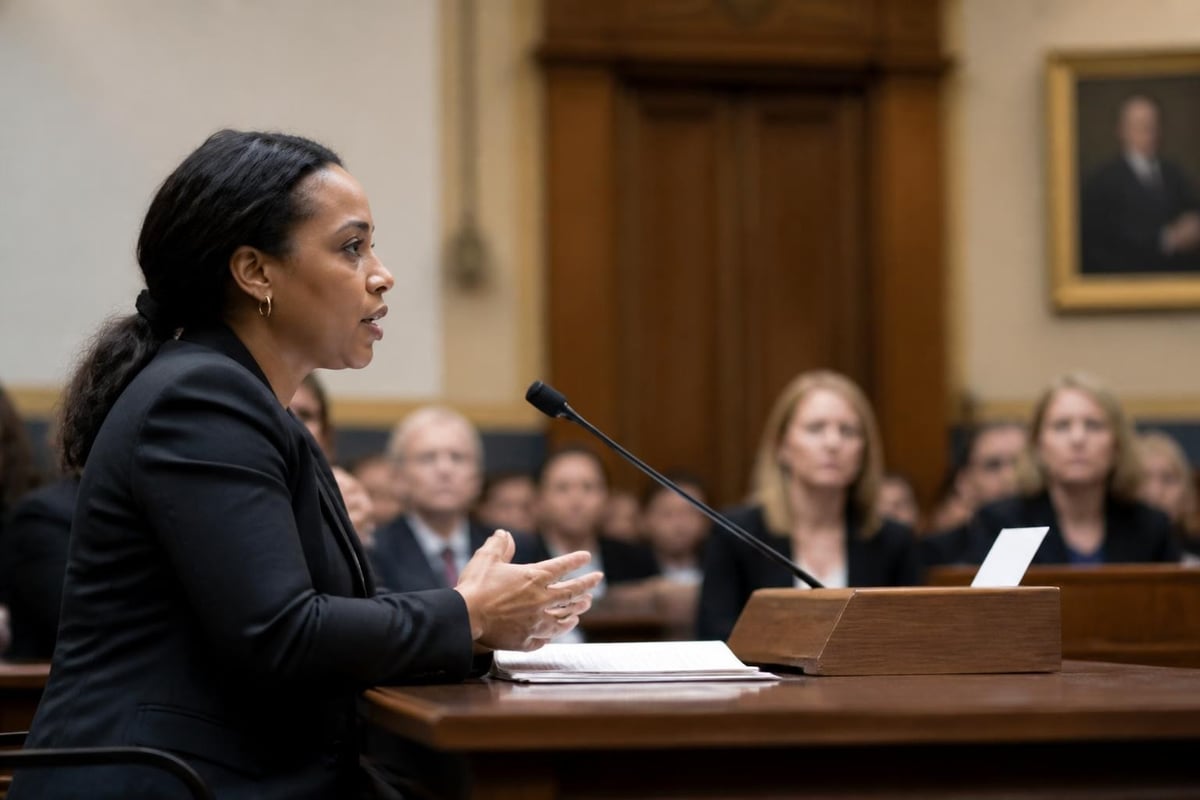
- Providing expert testimony at legislative hearings
- Submitting written comments on proposed regulations
- Building relationships with legislative champions
- Mobilizing grassroots support for priority legislation
NAMI DuPage’s advocacy guidance emphasizes that effective advocates must be informed and educated about both mental health issues and legislative processes. Understanding bill procedures, budget cycles, and committee structures enables advocates to strategically time interventions for maximum impact.
The integration of research evidence strengthens advocacy efforts significantly. Studies exploring AI applications in mental health analysis demonstrate evolving approaches to understanding mental health needs at population levels, providing data supporting resource allocation and program development.
Training and Workforce Development Advocacy
Mental health and advocacy must address the significant workforce shortages limiting treatment access across communities. The shortage of licensed mental health professionals, particularly in rural areas and underserved communities, creates waiting lists extending months and forces individuals into crisis before receiving care.
Expanding the Mental Health Workforce
Advocacy for workforce expansion includes multiple strategies addressing different points in the professional pipeline. These efforts range from increasing graduate program capacity to creating loan forgiveness programs, improving reimbursement rates, and developing career pathways for peer specialists and community health workers.
| Workforce Strategy | Target Population | Expected Impact |
|---|---|---|
| Student loan forgiveness | Licensed professionals in underserved areas | Improved geographic distribution of providers |
| Peer specialist certification | Individuals with lived experience | Culturally responsive support, reduced stigma |
| Telehealth infrastructure | Rural and isolated populations | Expanded access without relocation requirements |
| Graduate program funding | Students pursuing mental health degrees | Increased overall workforce supply |
| Supervision support | Post-graduate clinicians seeking licensure | Reduced barriers to independent practice |
The American Psychiatric Nurses Association’s advocacy work highlights nursing roles in expanding access to mental health care. Advocating for full practice authority for psychiatric nurse practitioners represents one approach to addressing workforce shortages without compromising care quality.
Digital Mental Health and Technology Advocacy
Mental health and advocacy in 2026 increasingly address digital health technologies, telehealth platforms, and online mental health resources. While technology expands access, it also raises concerns about privacy, quality standards, and digital divides excluding populations without reliable internet access.
Balancing Innovation and Protection
Technology advocacy requires supporting beneficial innovations while establishing appropriate safeguards. This includes advocating for privacy protections in mental health apps, ensuring telehealth reimbursement parity, and addressing algorithmic bias in digital assessment tools.
Practitioners must advocate for several technology-related priorities:
- Evidence-based standards for mental health applications
- Privacy protections exceeding HIPAA minimum requirements
- Digital literacy programs supporting technology adoption
- Broadband access in rural and underserved communities
- Integration of digital tools with traditional care models
The rapid evolution of artificial intelligence in mental health assessment and support demands thoughtful advocacy balancing innovation with ethical considerations. While AI tools may eventually support earlier intervention and broader screening, human connection remains central to effective mental health treatment.
Building Sustainable Advocacy Movements
Mental health and advocacy succeed through sustained engagement rather than isolated campaigns. Building movements requires developing leadership pipelines, creating organizational infrastructure, and maintaining momentum across political and funding cycles.
Cultivating Advocate Leadership
Effective movements combine professional expertise with lived experience leadership. Organizations amplify their advocacy impact by centering voices of individuals with direct mental health system experience, ensuring policy recommendations reflect actual needs rather than assumptions.
Leadership development includes:
- Mentoring emerging advocates from diverse backgrounds
- Creating accessible pathways to advocacy participation
- Providing training in public speaking, media engagement, and coalition building
- Supporting self-care and preventing burnout among advocates
- Recognizing and compensating lived experience expertise
Professional mental health advocates must intentionally share platforms, resources, and decision-making authority with individuals whose advocacy emerges from personal experience. This partnership model strengthens credibility, ensures accountability, and prevents advocacy efforts from perpetuating the very power imbalances they aim to dismantle.
Measuring Advocacy Impact and Effectiveness
Mental health and advocacy efforts require evaluation frameworks demonstrating impact and informing strategy adjustments. Unlike clinical outcomes measured through symptom reduction or functional improvement, advocacy success may manifest through policy changes, funding increases, or shifts in public awareness.
Advocacy Metrics and Evaluation
Comprehensive evaluation tracks multiple indicators across different timeframes. Immediate outputs include media coverage, legislative meetings, and community event attendance. Intermediate outcomes involve policy introductions, stakeholder engagement, and coalition growth. Long-term impacts include legislative passage, funding allocations, and population-level mental health improvements.
Effective advocacy organizations establish baseline data, set measurable goals, and regularly assess progress. Resources from the National Institute of Mental Health provide evidence supporting advocacy priorities and benchmarks for measuring population-level mental health trends.
Organizations leading mental health and advocacy initiatives must balance quantitative metrics with qualitative impact stories. Personal narratives illustrating how policy changes affect individual lives create compelling advocacy messages while demonstrating real-world impact beyond statistical measures.
International Perspectives and Global Mental Health Advocacy
Mental health and advocacy extend beyond national borders, particularly for professionals working across the U.S. and Latin America. Global mental health advocacy addresses disparities in resource allocation, promotes culturally adapted interventions, and supports capacity building in regions with limited mental health infrastructure.
Cross-Border Advocacy Collaboration
International advocacy partnerships create opportunities for knowledge exchange, resource sharing, and collaborative problem-solving. Professionals maintaining active engagement across countries bring comparative perspectives highlighting different approaches to common challenges.
International advocacy priorities include supporting mental health integration into primary care, advocating for mental health inclusion in global development agendas, and promoting human rights protections for individuals with mental illness worldwide. These efforts require cultural humility, recognition of local expertise, and sustainable partnerships respecting community autonomy.
The COVID-19 pandemic accelerated global recognition of mental health importance, creating unprecedented advocacy opportunities. Building on this momentum requires sustained investment in global mental health infrastructure, workforce development, and research capacity in low and middle-income countries.
Mental health and advocacy represent interconnected forces driving transformation in how we understand, treat, and support psychological wellness across diverse communities. The strategies outlined here demonstrate that effective advocacy integrates clinical expertise, lived experience, cultural competence, and strategic engagement across multiple levels of influence. Whether you're navigating personal mental health challenges, supporting loved ones, or seeking professional guidance for complex situations, experienced practitioners who combine clinical excellence with advocacy commitment offer comprehensive support addressing both immediate needs and systemic barriers. Henry Montero brings over 15 years of experience in mental health counseling, forensic psychology, and addiction recovery, alongside active engagement in international advocacy and public health leadership across the U.S. and Latin America. Connect today to explore how integrated clinical care and advocacy-informed practice can support your mental health journey and contribute to broader community wellness.