
Global Mental Health: Bridging Care Across Cultures
The landscape of mental health care has evolved dramatically over the past two decades, with practitioners and researchers increasingly recognizing that psychological well-being cannot be understood through a single cultural lens. As communities become more interconnected and migration patterns reshape populations worldwide, mental health professionals must develop competencies that transcend geographic and cultural boundaries. This shift toward understanding mental health as a universal human concern while respecting cultural differences has given rise to what experts call global mental health-a framework that emphasizes equity, accessibility, and culturally responsive care across all populations.
Understanding Global Mental Health in Clinical Practice
Global mental health represents more than simply exporting Western therapeutic models to different regions. It encompasses a comprehensive approach to understanding how culture, socioeconomic factors, trauma histories, and systemic inequities shape mental health experiences and treatment outcomes. The American Psychiatric Association’s global mental health initiative emphasizes that neuropsychiatric disorders account for a substantial burden of disease worldwide, yet resources remain severely limited in many regions.
For mental health counselors working with diverse populations, this framework demands constant reflection on how cultural assumptions influence diagnostic criteria, treatment approaches, and therapeutic relationships. A licensed professional serving communities across the U.S. and Latin America encounters vastly different perspectives on mental illness, help-seeking behavior, and family involvement in treatment. These variations are not obstacles to overcome but rather essential contextual factors that inform effective intervention strategies.
The Resource Gap and Its Clinical Implications
The disparities in mental health resources between high-income and low-income regions create unique challenges for practitioners working across borders. According to research published in peer-reviewed global mental health journals, many countries lack basic psychiatric infrastructure, trained professionals, and culturally adapted treatment protocols. This scarcity affects not only populations in those regions but also immigrant and refugee communities who carry both trauma experiences and skepticism about Western mental health systems.
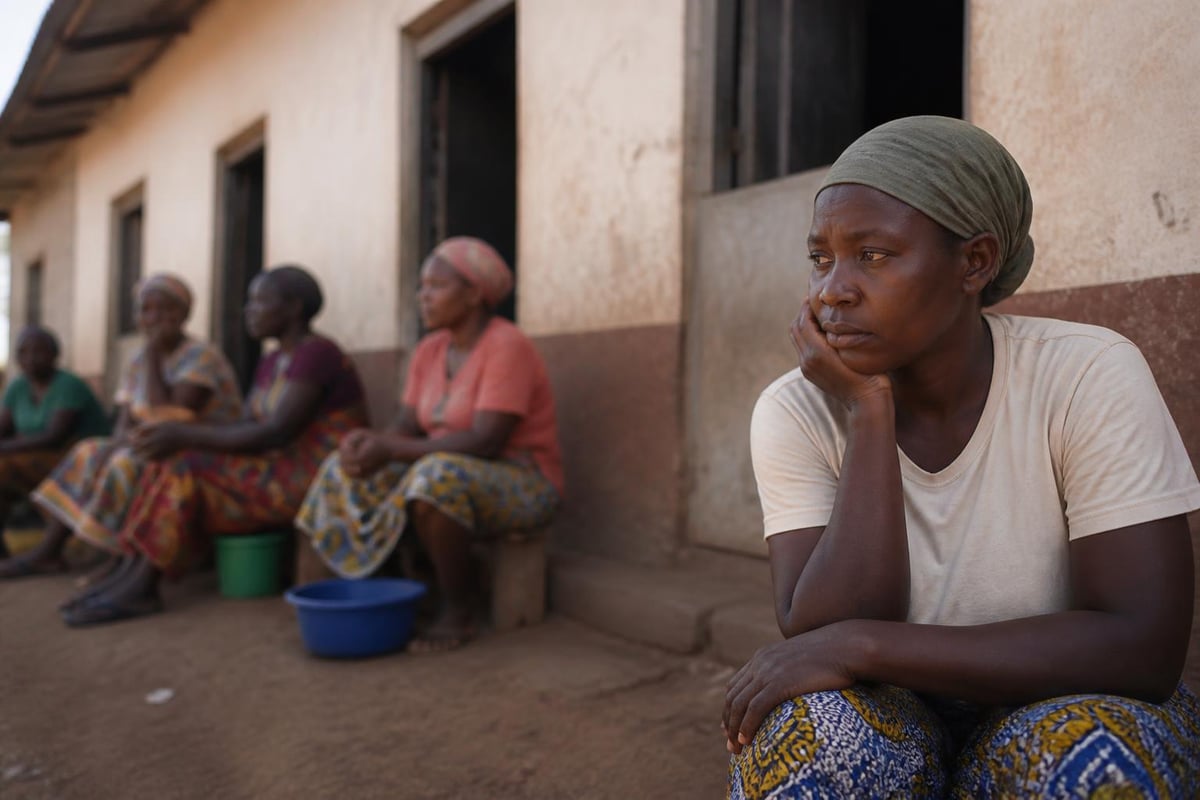
Mental health counselors must recognize how these gaps influence client presentations. Individuals from regions with limited mental health services may have never received formal diagnosis or treatment, despite years of struggling with conditions like depression, anxiety, or post-traumatic stress disorder. Others may have experienced highly medicalized approaches with little therapeutic support. Understanding these backgrounds enables practitioners to meet clients where they are rather than imposing expectations based on privileged access to comprehensive care.
Cultural Competence as a Core Component
Effective global mental health practice requires more than awareness of cultural differences. It demands active development of cultural humility, ongoing education about diverse belief systems, and willingness to adapt evidence-based interventions to fit cultural contexts. This process involves several key elements:
- Language accessibility beyond mere translation, including understanding idioms of distress
- Family system awareness recognizing varying roles of extended family in decision-making
- Spiritual and religious integration respecting how faith traditions inform coping and meaning-making
- Gender role considerations understanding cultural expectations around emotional expression
- Historical trauma awareness acknowledging collective experiences of colonization, violence, and oppression
A counselor working with Latin American populations, for instance, must understand concepts like "nervios" or "susto" that describe psychological distress in culturally specific terms. These presentations may not align neatly with DSM diagnostic categories, yet they represent genuine suffering that requires validation and treatment. The global mental health perspective encourages practitioners to expand their conceptual frameworks rather than forcing client experiences into predetermined diagnostic boxes.
Evidence-Based Practice Across Cultural Contexts
The challenge of applying evidence-based treatments across diverse populations has generated substantial research interest. Cochrane Global Mental Health focuses specifically on identifying effective interventions for low- and middle-income countries, recognizing that studies conducted primarily on Western populations may not generalize universally. Mental health counselors must critically evaluate whether specific therapeutic approaches have been validated with populations similar to their clients.
| Therapeutic Approach | Cultural Adaptation Considerations | Validation Across Populations |
|---|---|---|
| Cognitive Behavioral Therapy | May require adjusting concepts of cognitive distortions based on cultural values | Strong evidence in multiple countries when adapted |
| Trauma-Focused Interventions | Must account for collective versus individual trauma experiences | Growing evidence base in refugee and post-conflict populations |
| Family Systems Therapy | Definitions of family boundaries vary significantly across cultures | Limited research in non-Western contexts |
| Mindfulness-Based Approaches | Origins in non-Western traditions but often westernized in application | Increasing cross-cultural validation |
This comparison illustrates why global mental health practitioners cannot simply apply protocol-driven treatments without consideration of cultural fit. Successful outcomes depend on thoughtful adaptation while maintaining core therapeutic elements that drive change.
Addressing Trauma Through a Global Lens
Trauma presents uniquely in global mental health contexts, as experiences of violence, displacement, political persecution, and natural disasters affect populations differently based on available support systems and cultural frameworks for understanding suffering. Mental health counselors working with immigrant populations often encounter complex trauma histories that span generations and geographic regions.
Understanding trauma from a global mental health perspective means recognizing both universal human responses to overwhelming experiences and culturally specific meanings assigned to traumatic events. A forensic psychology background proves particularly valuable when working with individuals who have experienced violence, incarceration, or legal system involvement across different countries with varying approaches to justice and rehabilitation.
Migration and Mental Health Challenges
Migration itself represents a significant mental health stressor, regardless of circumstances. Individuals who migrate face:
- Separation from support networks and familiar cultural contexts
- Acculturation stress balancing heritage culture with new societal expectations
- Legal and economic uncertainties affecting sense of safety and stability
- Discrimination experiences impacting self-concept and belonging
- Intergenerational conflicts as family members adapt at different rates
These challenges compound any pre-existing mental health conditions while creating new vulnerabilities. The National Institute of Mental Health provides resources on various mental disorders that may emerge or intensify during migration transitions, from anxiety disorders to substance use problems that develop as maladaptive coping mechanisms.
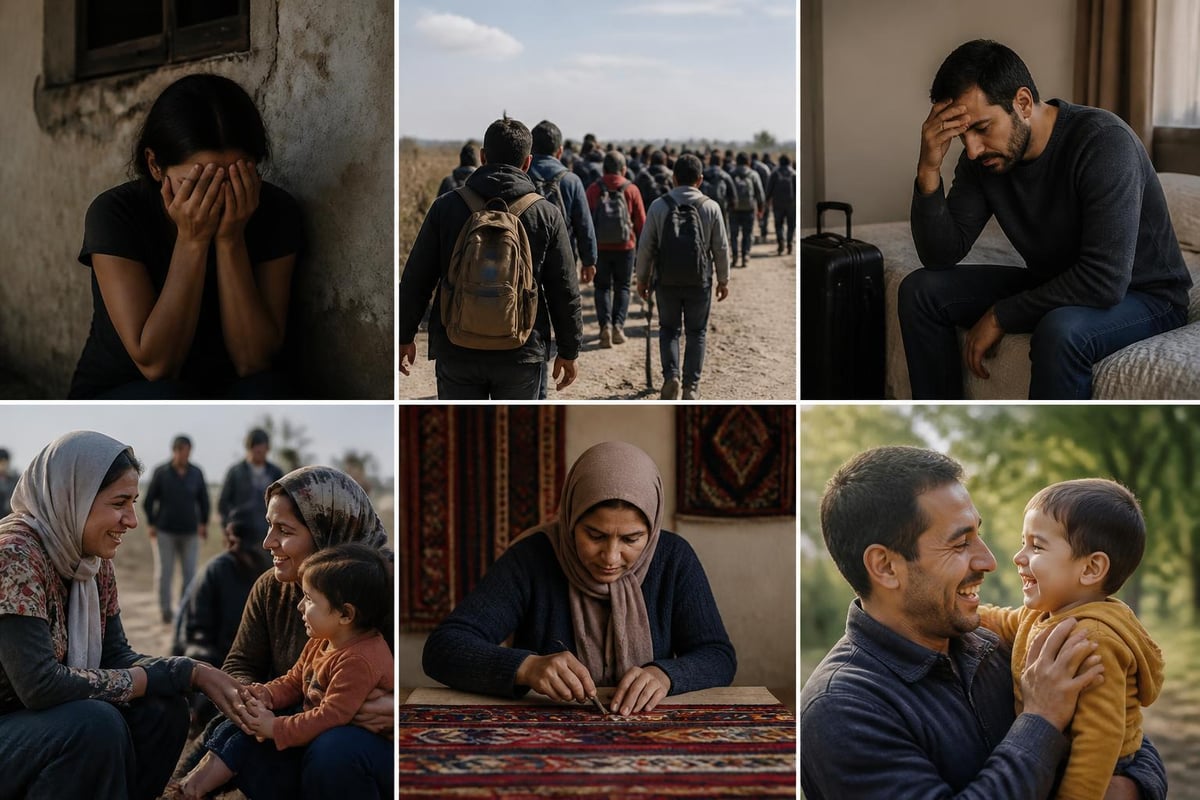
Licensed mental health counselors serving these populations must assess trauma histories while avoiding assumptions about migration motivations or experiences. Not all immigrants are refugees, not all refugees experienced direct violence, and not all migration is involuntary. Each client's story requires individual attention within broader global mental health frameworks.
Addiction Recovery in Cross-Cultural Contexts
Addiction recovery represents another domain where global mental health perspectives prove essential. Substance use patterns, cultural attitudes toward addiction, and available treatment options vary tremendously across regions. A counselor with expertise in addiction recovery must understand how these variations affect both the development of substance use disorders and pathways to recovery.
In many Latin American communities, for example, addiction may carry particularly intense stigma associated with moral failure rather than medical condition. This perspective influences whether individuals seek help, how families respond to addiction, and which treatment approaches feel acceptable. Recent research in global mental health highlights how socioeconomic determinants, including poverty, unemployment, and social exclusion, contribute to both mental health conditions and substance use disorders worldwide.
Integrating Public Health Advocacy
Global mental health naturally intersects with public health advocacy, as systemic changes often prove necessary to improve population-level outcomes. Mental health counselors with public health backgrounds can bridge clinical practice and policy work, advocating for:
- Expanded access to culturally competent mental health services
- Training programs for community health workers in underserved regions
- Integration of mental health screening in primary care settings
- Anti-stigma campaigns tailored to specific cultural contexts
- Policies supporting trauma-informed approaches in schools and social services
This advocacy work extends clinical impact beyond individual therapy sessions, addressing root causes of mental health disparities. Organizations like Xonnextions Corp. exemplify how mental health professionals can create platforms for broader cultural engagement and systemic change while maintaining direct clinical services.
Building Therapeutic Relationships Across Cultures
The therapeutic relationship remains foundational to effective mental health treatment regardless of cultural context, yet building trust across cultural differences requires particular skills. Clients from collectivist cultures may expect more directive guidance than typically provided in Western person-centered approaches. Others may feel uncomfortable with emotional disclosure to strangers, preferring to address problems through family or religious communities.
Successful global mental health practitioners develop flexibility in their therapeutic stance while maintaining ethical boundaries and professional standards. This might involve:
- Adjusting session structure to accommodate different communication styles
- Including family members when culturally appropriate and clinically beneficial
- Collaborating with traditional healers or religious leaders when clients request integration
- Modifying homework assignments to fit cultural contexts and daily realities
- Recognizing power dynamics inherent in cross-cultural therapeutic relationships

These adaptations require ongoing supervision, consultation, and self-reflection. Even experienced counselors must remain humble about the limits of their cultural knowledge and open to learning from clients as cultural informants about their own experiences.
Training and Continuing Education Requirements
Developing competence in global mental health demands commitment to continuous learning beyond initial licensure requirements. Mental health counselors should pursue training opportunities that include:
| Training Focus Area | Specific Competencies Developed | Application in Practice |
|---|---|---|
| Cross-cultural assessment | Recognizing cultural variations in symptom presentation | More accurate diagnosis and treatment planning |
| Interpreter collaboration | Working effectively with language interpreters | Improved communication with limited-English clients |
| Immigration trauma | Understanding legal system impacts on mental health | Appropriate support for asylum seekers and undocumented individuals |
| International diagnostic systems | Familiarity with ICD versus DSM frameworks | Better collaboration with international colleagues |
| Culturally adapted interventions | Implementing evidence-based modifications | Increased treatment effectiveness and engagement |
Professional development in these areas strengthens both clinical skills and ability to contribute meaningfully to the broader global mental health movement. Historical perspectives on global mental health reveal how the field has evolved from colonial-era psychiatry to contemporary collaborative approaches that center community voices and local expertise.
Technology and Global Mental Health Access
Telehealth has transformed possibilities for delivering mental health services across geographic boundaries, creating both opportunities and challenges. Licensed counselors can now provide services to clients in different states or countries, depending on licensure reciprocity agreements and regulatory frameworks. This expansion enables continuity of care for clients who migrate or travel frequently while raising questions about cultural competence and crisis intervention across distances.
Technology also facilitates collaboration among global mental health professionals through online consultation platforms, international case conferences, and shared research initiatives. These connections reduce professional isolation for counselors working in specialized areas while building collective knowledge about effective cross-cultural interventions.
However, technology access itself reflects global inequities. Assuming all clients can participate in video sessions ignores realities of limited internet access, lack of private space, or discomfort with virtual platforms. Global mental health practitioners must offer flexible service delivery options that accommodate varying levels of technological access and literacy.
Measuring Outcomes in Diverse Populations
Evaluating treatment effectiveness across cultural contexts presents methodological challenges. Standard outcome measures may not capture improvements that matter most to clients from different cultural backgrounds. A client from a collectivist culture might prioritize family harmony over individual symptom reduction, while someone from a community emphasizing resilience might resist framing their experience through a deficit-focused lens.
Mental health counselors committed to global mental health principles should:
- Use culturally validated assessment tools when available
- Include qualitative feedback alongside quantitative measures
- Assess outcomes that align with client-defined goals
- Consider contextual factors affecting measurement validity
- Contribute to research validating tools across populations
This attention to measurement equity ensures that global mental health remains grounded in genuine understanding of diverse populations rather than imposing Western standards of wellness and recovery.
The Role of International Collaboration
Global mental health advances through partnerships between practitioners, researchers, and communities across national boundaries. International speakers who present at conferences in multiple countries facilitate knowledge exchange while modeling cultural humility and collaborative approaches. Published authors contribute to global mental health literature by documenting culturally specific presentations, effective adaptations, and lessons learned from cross-cultural clinical work.
These collaborative efforts benefit both practitioners and the populations they serve. Counselors gain exposure to alternative conceptual frameworks and intervention strategies while communities receive services informed by broader perspectives and evidence bases. The exchange must remain bidirectional, with practitioners from high-resource settings learning from colleagues in regions that have developed innovative approaches despite limited resources.
Organizations that bridge clinical expertise, public health advocacy, and cultural engagement create platforms for this kind of meaningful collaboration. Whether working across the U.S. and Latin America or connecting professionals globally, these networks strengthen the entire field of mental health counseling.
Ethical Considerations in Global Mental Health Practice
Ethical practice in global mental health requires vigilance about power dynamics, cultural imposition, and sustainability of interventions. Mental health counselors must ask critical questions about their work:
- Does this intervention respect client autonomy within their cultural context?
- Am I imposing my cultural values under the guise of evidence-based practice?
- Will this approach be sustainable after my involvement ends?
- How do I balance standard of care with cultural appropriateness?
- Am I consulting adequately with cultural insiders and community leaders?
These questions prevent well-intentioned practitioners from causing harm through cultural insensitivity or creating dependency on external expertise. Global mental health at its best empowers communities to develop their own mental health resources while benefiting from external collaboration and evidence-based knowledge.
The field continues evolving as practitioners gain experience, research expands to include diverse populations, and communities assert their own healing traditions and preferences. Mental health counselors who commit to this work contribute to a more equitable, accessible, and culturally responsive global mental health landscape.
Global mental health challenges us to expand our understanding of healing, wellness, and professional practice beyond familiar boundaries. The principles discussed here-cultural humility, evidence-based adaptation, trauma-informed care, and collaborative partnerships-form the foundation for effective work with diverse populations. Whether you're navigating cross-cultural challenges in your own mental health journey or seeking support for addiction recovery, relationship issues, or trauma healing, culturally competent care makes all the difference. Henry Montero brings over 15 years of experience bridging clinical expertise across the U.S. and Latin America, offering services grounded in both evidence-based practice and deep cultural understanding. Reach out today to begin your journey toward healing in a space that honors your whole story.