
Mental Disorders in Psychology: A Comprehensive Guide
Mental disorders in psychology represent a complex and evolving field that impacts millions of individuals worldwide. Understanding these conditions requires a comprehensive approach that encompasses biological, psychological, social, and cultural factors. As mental health professionals continue to refine diagnostic criteria and treatment methodologies, the importance of accurate assessment and culturally competent care becomes increasingly evident. This guide examines the fundamental aspects of mental disorders in psychology, from classification systems to emerging research, providing mental health professionals and those seeking support with essential knowledge for navigating this critical area of healthcare.
Understanding the Landscape of Mental Disorders
The field of psychology recognizes mental disorders as clinically significant disturbances in cognition, emotional regulation, or behavior that reflect dysfunction in psychological, biological, or developmental processes. These conditions affect how individuals think, feel, behave, and interact with others. According to MedlinePlus, mental disorders encompass a wide range of conditions that can significantly impact daily functioning and quality of life.
Mental health professionals utilize standardized diagnostic frameworks to identify and classify these conditions systematically. The complexity of mental disorders in psychology demands careful consideration of multiple factors, including symptom severity, duration, functional impairment, and cultural context.
The Spectrum of Mental Health Conditions
Mental disorders in psychology span numerous categories, each with distinct characteristics and treatment approaches. Anxiety disorders, depressive disorders, bipolar disorders, schizophrenia spectrum disorders, trauma-related disorders, and personality disorders represent major classification groups. Additionally, conditions such as eating disorders, substance use disorders, and neurodevelopmental disorders fall within this comprehensive framework.

Each category contains specific diagnoses with unique symptom profiles. For instance, anxiety disorders include generalized anxiety disorder, panic disorder, social anxiety disorder, and specific phobias. Understanding these distinctions enables mental health professionals to provide targeted, evidence-based interventions.
Diagnostic Frameworks and Classification Systems
The diagnosis of mental disorders in psychology relies on established classification systems that provide standardized criteria. The two primary systems used globally are the Diagnostic and Statistical Manual of Mental Disorders (DSM) and the International Classification of Diseases (ICD).
The DSM-5 Approach
The DSM-5 serves as the authoritative diagnostic manual in the United States and many other countries. This comprehensive resource outlines specific criteria for each mental disorder, including symptom requirements, duration thresholds, and exclusion criteria. Mental health professionals use these guidelines to ensure diagnostic accuracy and consistency across clinical settings.
The DSM-5 organizes mental disorders in psychology into distinct chapters based on shared features and developmental considerations. This structure facilitates differential diagnosis and helps clinicians identify comorbid conditions that frequently occur together.
| DSM-5 Chapter | Primary Focus | Example Disorders |
|---|---|---|
| Neurodevelopmental Disorders | Early development | ADHD, Autism Spectrum Disorder |
| Anxiety Disorders | Fear and anxiety | Generalized Anxiety, Panic Disorder |
| Depressive Disorders | Mood dysregulation | Major Depression, Persistent Depressive Disorder |
| Trauma-Related Disorders | Stress response | PTSD, Acute Stress Disorder |
| Substance-Related Disorders | Addiction | Alcohol Use Disorder, Opioid Use Disorder |
International Perspectives
The World Health Organization's International Classification of Diseases provides clinical descriptions and diagnostic guidelines used worldwide. This global perspective ensures that mental disorders in psychology are understood across cultural and healthcare system boundaries, facilitating international research collaboration and treatment standardization.
Assessment and Diagnostic Processes
Accurate diagnosis of mental disorders in psychology requires comprehensive assessment methodologies. Mental health professionals employ multiple evaluation strategies to gather relevant information and reach informed diagnostic conclusions.
Clinical Interview Techniques
The clinical interview forms the foundation of mental health assessment. Skilled clinicians use structured, semi-structured, and unstructured interview formats to gather detailed information about:
- Current symptoms and their impact on functioning
- Historical background including onset, course, and previous treatment
- Family history of mental health conditions
- Cultural factors influencing symptom expression and help-seeking behaviors
- Substance use patterns and medical history
Building rapport and establishing a therapeutic alliance during the assessment process enhances the accuracy and completeness of information gathered. Cultural competence plays a critical role in ensuring that diagnostic processes account for diverse backgrounds and experiences.
Standardized Assessment Tools
Mental health professionals supplement clinical interviews with validated assessment instruments. These tools provide objective measures of symptom severity and functional impairment. Commonly used instruments include the Beck Depression Inventory, Hamilton Anxiety Rating Scale, and Minnesota Multiphasic Personality Inventory.
Recent research on symptom identification emphasizes the importance of precise symptom modeling in improving diagnostic accuracy. Advanced assessment methodologies continue to evolve, incorporating technology and data-driven approaches to enhance clinical decision-making.
Etiology and Contributing Factors
Understanding the causes of mental disorders in psychology requires examination of multiple interacting factors. The biopsychosocial model provides a comprehensive framework for conceptualizing how biological, psychological, and social elements contribute to mental health conditions.

Biological Foundations
Genetic predisposition plays a significant role in vulnerability to many mental disorders in psychology. Twin studies, family studies, and molecular genetics research have identified heritable components for conditions such as schizophrenia, bipolar disorder, and major depression. However, genetic factors rarely act in isolation.
Neurobiological mechanisms including neurotransmitter dysregulation, structural brain differences, and neuroendocrine dysfunction contribute to the development and maintenance of mental disorders. The National Institute of Mental Health provides extensive resources on the biological underpinnings of mental health conditions.
Psychological and Environmental Influences
Psychological factors such as maladaptive thinking patterns, early childhood experiences, and learned behaviors significantly influence mental health outcomes. Cognitive distortions, attachment difficulties, and traumatic experiences can increase vulnerability to developing mental disorders in psychology.
Environmental stressors including poverty, discrimination, violence exposure, and lack of social support create additional risk factors. The cumulative effect of adverse experiences throughout development can substantially impact mental health trajectory.
Evidence-Based Treatment Approaches
Treatment for mental disorders in psychology encompasses various modalities tailored to individual needs, symptom severity, and diagnostic presentation. Effective interventions typically combine multiple approaches to address biological, psychological, and social dimensions of mental health.
Psychotherapeutic Interventions
Several evidence-based psychotherapy models demonstrate effectiveness for treating mental disorders in psychology:
- Cognitive Behavioral Therapy (CBT): Addresses maladaptive thought patterns and behaviors
- Dialectical Behavior Therapy (DBT): Focuses on emotion regulation and distress tolerance
- Psychodynamic Therapy: Explores unconscious processes and past experiences
- Acceptance and Commitment Therapy (ACT): Emphasizes psychological flexibility and values-based action
- Trauma-Focused Interventions: Specifically addresses trauma-related symptoms
These therapeutic approaches can be delivered individually, in group settings, or through family therapy formats. Selection of appropriate modalities depends on diagnostic presentation, client preferences, and available resources.
Pharmacological Treatments
Psychotropic medications play an important role in managing many mental disorders in psychology. Antidepressants, anxiolytics, mood stabilizers, antipsychotics, and stimulants target specific neurobiological mechanisms underlying mental health conditions.
| Medication Class | Primary Uses | Common Examples |
|---|---|---|
| SSRIs | Depression, Anxiety | Fluoxetine, Sertraline |
| SNRIs | Depression, Anxiety, Pain | Venlafaxine, Duloxetine |
| Mood Stabilizers | Bipolar Disorder | Lithium, Valproate |
| Atypical Antipsychotics | Schizophrenia, Bipolar | Risperidone, Quetiapine |
| Stimulants | ADHD | Methylphenidate, Amphetamine |
Medication management requires careful monitoring, dosage adjustment, and collaboration between prescribers and therapists to optimize outcomes while minimizing side effects.
Integrated and Holistic Approaches
Comprehensive treatment for mental disorders in psychology increasingly incorporates complementary interventions such as mindfulness practices, exercise, nutrition counseling, and social support development. These holistic approaches address the whole person rather than solely targeting symptom reduction.
Cultural Considerations in Mental Health
Mental disorders in psychology manifest differently across cultural contexts, requiring culturally informed assessment and treatment approaches. Cultural factors influence symptom expression, help-seeking behaviors, treatment preferences, and recovery processes.
Cultural Expressions of Distress
Different cultures have unique ways of conceptualizing and expressing psychological distress. Some cultures emphasize somatic symptoms rather than emotional descriptions. Others have culture-specific syndromes not fully captured by Western diagnostic systems. Mental health professionals must recognize these variations to provide effective, culturally competent care.
Understanding cultural beliefs about mental illness, family dynamics, and traditional healing practices enhances therapeutic relationships and treatment engagement. This is particularly important in diverse communities where stigma and mistrust of mental health services may create barriers to care.
For professionals working across cultural contexts, developing cultural humility and continuously learning about diverse perspectives on mental health is essential. Explore more resources that address cultural competence in mental health counseling.
Emerging Research and Future Directions
The field of mental disorders in psychology continues to evolve through innovative research methodologies and technological advances. New frameworks are reshaping how professionals understand, diagnose, and treat mental health conditions.
Research Domain Criteria (RDoC)
The Research Domain Criteria framework represents a paradigm shift in mental health research. Rather than organizing research around traditional diagnostic categories, RDoC examines fundamental dimensions of functioning spanning multiple levels of analysis, from genes to self-reported symptoms to behavior.
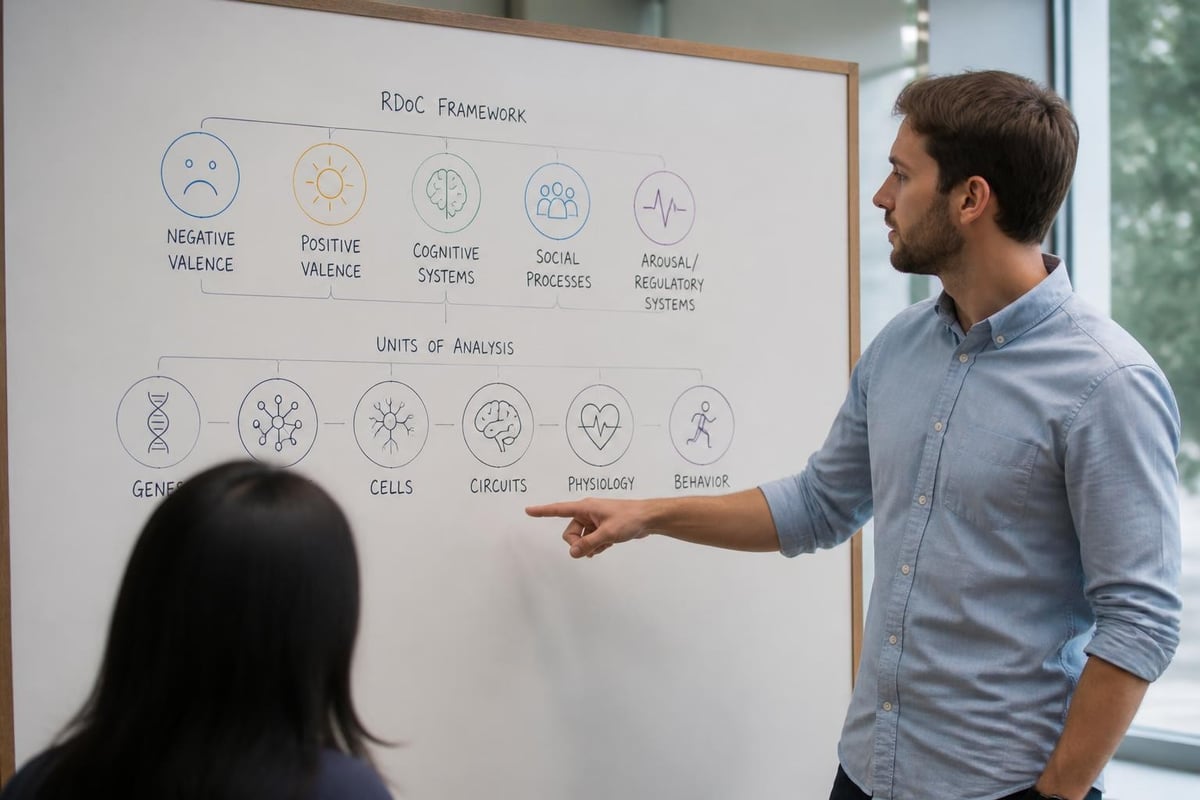
This dimensional approach recognizes that mental disorders in psychology exist on continua rather than as discrete categories. It promises to improve understanding of underlying mechanisms and facilitate development of more targeted interventions.
Technology Integration in Assessment
Innovative assessment methodologies leverage technology to enhance diagnostic accuracy. Recent studies on multimodal stimuli demonstrate how combining different assessment modalities can improve detection of mental disorders in psychology. Digital phenotyping, machine learning algorithms, and smartphone-based monitoring offer new possibilities for continuous assessment and early intervention.
These technological advances complement traditional clinical judgment, providing additional data points to inform treatment planning and outcome monitoring. However, ethical considerations regarding privacy, data security, and algorithmic bias require careful attention as these tools become more prevalent.
Prevention and Early Intervention
Preventing mental disorders in psychology and identifying conditions early in their course significantly improves long-term outcomes. Public health approaches emphasize promotion, prevention, and early intervention strategies.
Universal Prevention Strategies
Population-level interventions aim to reduce risk factors and strengthen protective factors across entire communities. These include:
- Mental health literacy campaigns
- School-based social-emotional learning programs
- Workplace stress reduction initiatives
- Community resilience building efforts
- Policy changes addressing social determinants of health
Such universal approaches create environments that support mental health and reduce the likelihood of disorder development across populations.
Targeted Interventions for At-Risk Populations
Selective prevention targets individuals at elevated risk due to family history, exposure to adversity, or other vulnerability factors. Indicated prevention serves those showing early signs of mental health problems but not meeting full diagnostic criteria.
Early intervention programs for first-episode psychosis, for example, have demonstrated significant benefits in reducing symptom severity and improving functional outcomes. Identifying and treating mental disorders in psychology during early stages prevents chronicity and reduces long-term disability.
The Role of Support Systems
Recovery from mental disorders in psychology occurs within social contexts. Family members, peers, and community connections significantly influence treatment outcomes and long-term wellness.
Family Involvement in Treatment
Family education and involvement enhance treatment effectiveness for many mental disorders in psychology. Psychoeducation helps family members understand conditions, recognize warning signs, and provide appropriate support. Family therapy addresses relationship patterns that may contribute to symptom maintenance or recovery.
Supporting caregivers is equally important, as caring for someone with a mental health condition can create significant stress. Respite services, support groups, and caregiver-focused interventions promote family well-being while enhancing the care provided to individuals with mental disorders.
Peer Support and Recovery Communities
Peer support services connect individuals with lived experience of mental disorders in psychology, fostering hope, reducing isolation, and promoting recovery. Recovery-oriented approaches emphasize personal growth, meaning-making, and community participation beyond symptom management.
These community-based supports complement professional treatment, creating comprehensive systems of care that address diverse needs. For those seeking additional resources and professional guidance, connecting with experienced mental health counselors can facilitate the recovery journey.
Addressing Stigma and Promoting Mental Health Awareness
Stigma surrounding mental disorders in psychology remains a significant barrier to help-seeking, treatment engagement, and recovery. Combating misconceptions and promoting accurate understanding of mental health conditions requires sustained advocacy and education efforts.
Challenging Misconceptions
Common stigmatizing beliefs include the notions that mental disorders in psychology indicate personal weakness, that individuals can simply "snap out of" these conditions, or that people with mental health conditions are dangerous. These misconceptions perpetuate discrimination and prevent individuals from accessing needed care.
Educational initiatives that share accurate information about the biological, psychological, and social factors contributing to mental disorders help reduce stigma. Personal narratives from individuals with lived experience humanize these conditions and demonstrate that recovery is possible.
Promoting Help-Seeking Behaviors
Creating cultures that normalize help-seeking for mental health concerns encourages early intervention. When communities view mental disorders in psychology as health conditions deserving of care rather than sources of shame, individuals are more likely to pursue treatment promptly.
Mental health professionals play crucial roles as advocates, educators, and allies in stigma reduction efforts. By speaking openly about mental health, challenging discriminatory practices, and promoting inclusive policies, clinicians contribute to broader cultural shifts that support mental wellness.
Understanding mental disorders in psychology requires comprehensive knowledge of diagnostic frameworks, evidence-based treatments, and the complex interplay of factors influencing mental health. Whether you are experiencing symptoms yourself or supporting someone who is, accessing expert guidance makes a significant difference in outcomes. With over 15 years of experience in mental health, forensic psychology, and addiction recovery, Henry Montero offers culturally informed, evidence-based counseling services that address the full spectrum of mental health concerns. Through Alquimedez Mental Health Counseling, individuals and families across the U.S. and Latin America receive compassionate, expert care tailored to their unique needs and cultural contexts.