Mental Health in Cultures: A Global Perspective
Understanding mental health in cultures requires recognizing that our cultural backgrounds fundamentally shape how we perceive, experience, and address psychological wellbeing. Cultural values influence everything from how symptoms manifest to whether individuals seek professional help. For mental health professionals working with diverse populations, cultural competence isn't optional, it's essential for delivering effective, respectful care that honors each person's unique worldview while addressing their mental health needs.
Cultural Frameworks and Mental Health Perception
Different cultures conceptualize mental health through distinct frameworks that reflect their values, beliefs, and historical experiences. In many Western societies, mental health is often viewed through a biomedical lens, emphasizing neurochemical imbalances and individual pathology. This contrasts sharply with collectivist cultures where mental health in cultures is understood within relational contexts, family dynamics, and community harmony.
The Individual Versus Collective Paradigm
Western psychological frameworks typically prioritize individual autonomy, self-actualization, and personal achievement. Mental health treatment in these contexts often focuses on helping individuals develop independence, assert boundaries, and pursue personal goals. However, this approach can feel alienating or inappropriate for clients from cultures that emphasize interdependence and family obligations.
In contrast, many Asian, African, and Latin American cultures view the self as inherently connected to family and community. Mental distress may be understood as disruption to social harmony rather than individual dysfunction. Cultural dimensions significantly influence how people interpret symptoms and what solutions they consider appropriate.
Key cultural differences include:
- Expression of distress: Some cultures somatize emotional pain, experiencing it as physical symptoms
- Help-seeking patterns: Family consultation versus professional intervention as first response
- Treatment preferences: Spiritual practices, traditional healing, or Western psychotherapy
- Recovery definitions: Return to social roles versus symptom elimination

Stigma and Mental Health Across Cultural Contexts
Mental health stigma manifests differently across cultures, yet its impact remains universally harmful. The CDC recognizes mental health stigma as a significant barrier to treatment, with cultural factors intensifying or mitigating stigma depending on community beliefs and values.
| Cultural Context | Primary Stigma Sources | Common Consequences |
|---|---|---|
| Traditional Asian Communities | Family honor, shame dynamics | Delayed treatment, secret-keeping |
| Latin American Cultures | Machismo, religious interpretations | Underutilization of services |
| Western Societies | Productivity expectations, individualism | Self-blame, isolation |
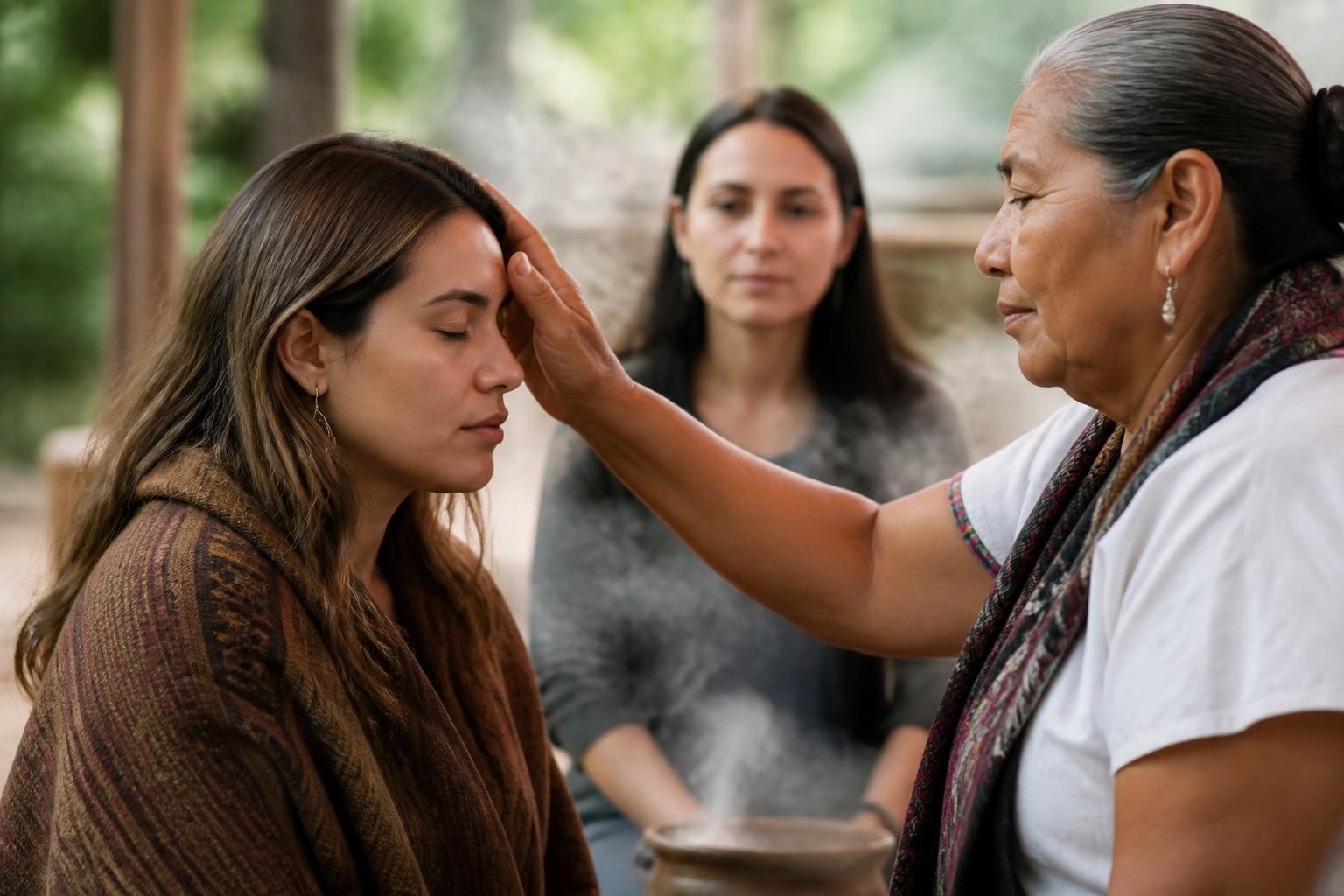
| Indigenous Communities | Historical trauma, mistrust of systems | Preference for traditional healing |
Religious and Spiritual Dimensions
Religious beliefs profoundly influence how mental health in cultures is understood and addressed. In some faith traditions, mental illness may be interpreted as spiritual weakness, demonic possession, or divine testing. These interpretations can either support healing through community care and spiritual practices or increase stigma and delay appropriate treatment.
Catholic cultures in Latin America sometimes attribute mental health challenges to moral failings or lack of faith, which can create additional shame for individuals already struggling. Research on mental health stigma in Latin America reveals how religious interpretations intersect with machismo and familial expectations to create unique barriers to care.
Conversely, many Indigenous traditions integrate mental and spiritual health seamlessly, viewing psychological distress as disconnection from cultural identity, ancestors, or land. This holistic perspective offers valuable insights for culturally adapted interventions.
Language and Expression of Mental Health
The language available to describe mental health experiences varies dramatically across cultures, shaping both symptom presentation and treatment engagement. Mental health in cultures manifests through culturally specific idioms of distress, expressions that communicate psychological suffering in culturally meaningful ways.
Culture-Bound Syndromes and Idioms of Distress
Mental health professionals must recognize that diagnostic categories developed in Western contexts may not capture the full range of human suffering. Culture-bound syndromes represent distinct patterns of distress recognized within specific cultural groups:
- Ataque de nervios (Latin American cultures): Episodes of intense emotional distress with physical symptoms
- Taijin kyofusho (Japanese culture): Intense fear of offending or embarrassing others
- Susto (Latin American indigenous cultures): Fright-induced soul loss requiring traditional healing
- Hwa-byung (Korean culture): Anger syndrome resulting from suppressed emotions
These expressions aren't merely translated versions of depression or anxiety. They represent culturally specific ways of experiencing and communicating distress that require culturally informed assessment and treatment approaches.
Family Systems and Mental Health Treatment
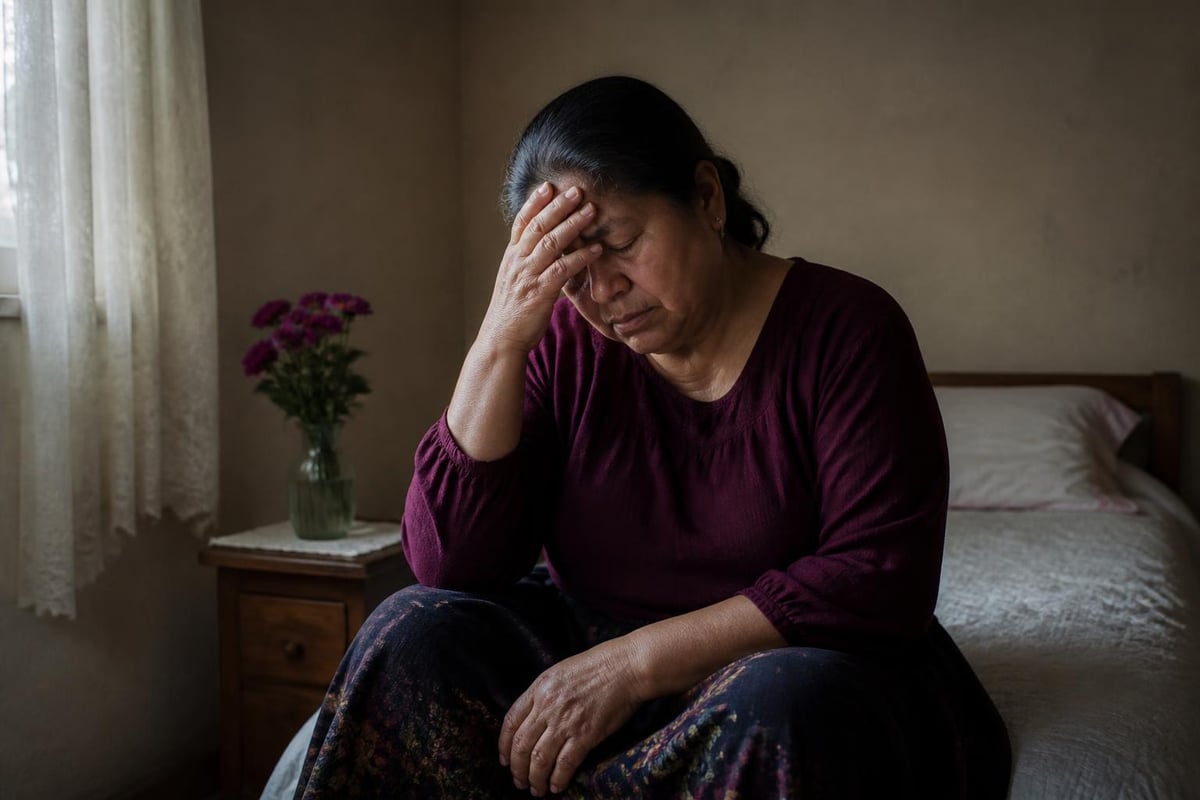
Family structures and dynamics significantly influence mental health in cultures worldwide. Understanding these patterns is crucial for developing effective treatment plans that align with clients' cultural contexts rather than working against them.
Collectivist Family Dynamics
In collectivist cultures, family involvement in mental health treatment isn't optional, it's expected. Decisions about seeking help, choosing providers, and following treatment recommendations often involve multiple family members. Mental health professionals must navigate these dynamics respectfully, recognizing family as a potential resource rather than an obstacle.
Family-centered considerations include:
- Decision-making authority and consultation processes
- Disclosure preferences regarding diagnoses and prognosis
- Family participation in treatment sessions
- Integration of family healing practices with professional intervention
The influence of culture and society on mental health extends deeply into family systems, affecting everything from child-rearing practices to elder care expectations. These patterns shape personality development, stress responses, and coping mechanisms across the lifespan.
Generational Differences and Acculturation
Immigrant and refugee families often experience intergenerational conflicts around mental health. Younger generations raised in Western contexts may adopt individualistic perspectives that clash with their parents' collectivist values. This acculturation gap creates unique stressors that mental health professionals must address sensitively.
Second-generation immigrants frequently navigate competing cultural expectations, experiencing pressure to succeed in mainstream society while maintaining cultural traditions at home. This bicultural stress can contribute to anxiety, depression, and identity conflicts requiring culturally nuanced interventions.
Culturally Adapted Treatment Approaches
Effective mental health treatment in diverse cultural contexts requires adaptation beyond simple translation of materials. True cultural competence involves understanding worldviews, adapting therapeutic techniques, and sometimes integrating traditional healing practices with evidence-based interventions.
Assessment and Diagnostic Considerations
Standard psychological assessments developed and normed on Western populations may produce misleading results with culturally diverse clients. Mental health professionals must consider:
- Cultural response patterns: Different cultures show varying comfort with self-disclosure, emotional expression, and rating scale responses
- Linguistic nuances: Translation issues that affect symptom reporting and assessment validity
- Contextual factors: Migration stress, discrimination, poverty, and other social determinants
- Protective factors: Cultural strengths, community supports, and traditional coping mechanisms
Research examining cultural diversity and mental health emphasizes the need for culturally adapted assessment tools and diagnostic processes that account for cultural variations in symptom expression and help-seeking behavior.
| Adaptation Strategy | Implementation | Expected Outcome |
|---|---|---|
| Culturally Modified CBT | Incorporate family, adjust homework | Improved engagement |
| Integrated Traditional Healing | Collaborate with cultural healers | Enhanced trust, holistic care |
| Language-Concordant Services | Match therapist-client language | Better therapeutic alliance |
| Community-Based Approaches | Deliver services in familiar settings | Reduced stigma, increased access |
Therapeutic Relationship and Cultural Humility
The therapeutic relationship forms the foundation of effective mental health treatment, yet cultural differences can complicate alliance-building. Mental health in cultures requires practitioners to develop cultural humility, an ongoing commitment to self-evaluation and learning about clients' cultures without assuming expertise.
Cultural humility practices include:
- Acknowledging power differentials inherent in cross-cultural therapeutic relationships
- Maintaining openness to learning from clients about their cultural experiences
- Recognizing personal biases and cultural assumptions that influence clinical judgment
- Seeking ongoing education about diverse cultural perspectives and healing traditions
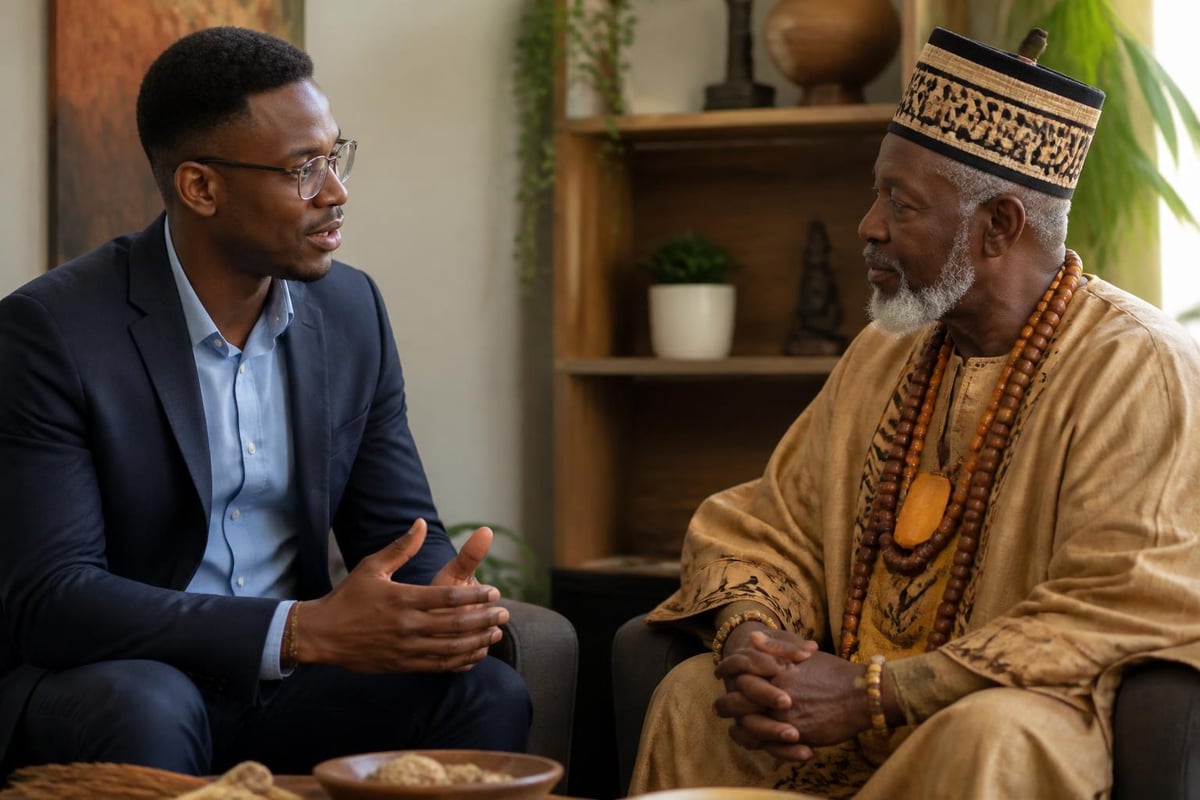
- Collaborating with cultural consultants and community leaders when appropriate
Systemic Barriers and Access to Care
Understanding mental health in cultures extends beyond individual and family levels to recognize systemic barriers that disproportionately affect marginalized cultural groups. These structural inequities shape who receives care, what quality of care they receive, and whether treatment proves effective.
Socioeconomic and Institutional Factors
Cultural minority groups often face compounding barriers to mental health care. Economic disadvantages limit insurance coverage and ability to pay for services. Geographic disparities concentrate mental health resources in affluent areas, leaving underserved communities with few options. Institutional racism and discrimination within healthcare systems create mistrust and negative experiences that discourage help-seeking.
The intersection of culture, race, and socioeconomic status creates unique vulnerabilities. Cultural differences influence mental health experiences and compound with poverty, discrimination, and limited access to create significant health disparities.
Workforce Diversity and Cultural Competence
The mental health workforce remains predominantly white and Western-trained, creating cultural mismatches with increasingly diverse client populations. Recruiting and retaining mental health professionals from underrepresented cultural backgrounds improves access to culturally concordant care and brings diverse perspectives to the field.
However, workforce diversity alone is insufficient without systematic cultural competence training. All mental health professionals, regardless of background, must develop skills for working effectively across cultural differences. This includes understanding how stigma and discrimination manifest in mental health contexts and actively working to create welcoming, culturally responsive clinical environments.
Technology and Cross-Cultural Mental Health
Digital mental health interventions offer unprecedented opportunities to reach underserved populations, yet they also risk perpetuating cultural biases if not carefully designed. Recent research analyzing cross-cultural differences in mental health expressions on social media demonstrates how digital platforms reveal culturally specific patterns of distress communication.
Opportunities and Challenges
Telehealth benefits for diverse populations:
- Increased access for rural and underserved communities
- Ability to connect with culturally concordant providers regardless of geography
- Reduced stigma through private, home-based sessions
- Flexible scheduling that accommodates work and family obligations
Digital divide considerations:
- Technology access disparities along cultural and economic lines
- Language barriers in predominantly English-language platforms
- Cultural preferences for in-person connection and relationship-building
- Privacy concerns in multigenerational households
Mental health applications and online resources must be culturally adapted, not merely translated. This includes incorporating culturally relevant examples, adapting intervention content to align with cultural values, and ensuring visual representations reflect diverse populations.
Training and Professional Development
Mental health professionals committed to culturally competent practice must engage in continuous learning and self-reflection. Understanding mental health in cultures is not a one-time achievement but an ongoing developmental process that evolves throughout one's career.
Core Competencies for Cross-Cultural Practice
Effective cross-cultural mental health practice requires integrated knowledge, skills, and attitudes:
- Cultural self-awareness: Recognizing how one's own cultural background shapes clinical perceptions and judgments
- Cultural knowledge: Learning about diverse worldviews, healing traditions, and cultural values
- Clinical skills: Adapting assessment and intervention techniques for cultural appropriateness
- Advocacy: Addressing systemic barriers and working toward health equity
Professional development should include immersive cultural experiences, supervision with culturally diverse mentors, consultation with cultural experts, and ongoing examination of personal biases and assumptions. Organizations must support this development through training resources, diverse hiring practices, and institutional commitments to cultural competence.
Building Culturally Responsive Systems
Individual cultural competence, while essential, remains insufficient without systemic changes that embed cultural responsiveness throughout mental health organizations and service delivery systems. Creating truly inclusive mental health care requires institutional transformation.
Organizational Cultural Competence
Mental health organizations must assess and adapt their policies, practices, and environments to serve diverse populations effectively:
- Physical environment: Welcoming spaces with culturally diverse artwork, multilingual signage, and comfortable waiting areas
- Intake processes: Culturally adapted assessment tools and intake procedures that gather relevant cultural information
- Service delivery: Flexible appointment times, family involvement options, and integration with community resources
- Staff training: Mandatory cultural competence education with ongoing learning opportunities
- Community partnerships: Collaboration with cultural organizations, traditional healers, and community leaders
These systemic adaptations signal respect for cultural diversity and create environments where clients from all backgrounds feel valued and understood. They move beyond individual practitioner competence to institutionalize cultural responsiveness.
Understanding mental health in cultures requires ongoing commitment to learning, humility, and systemic change that honors the diverse ways humans experience and heal from psychological distress. Whether you're seeking culturally informed mental health support or working to serve diverse populations more effectively, Henry Montero brings over 15 years of experience bridging clinical expertise with cultural engagement across the U.S. and Latin America. His work in mental health counseling, public health advocacy, and cross-cultural practice offers the culturally responsive approach that today's diverse communities deserve.